


Sustainability and Traceability in Coconut Export
Sustainability has become a core theme in international trade, and coconut export is no exception. Buyers in Europe and North America increasingly expect proof that coconut supply chains protect the environment, support farming communities and use resources efficiently. For exporters, demonstrating these qualities is no longer just a marketing angle—it is often a prerequisite for accessing premium markets and long‑term contracts.
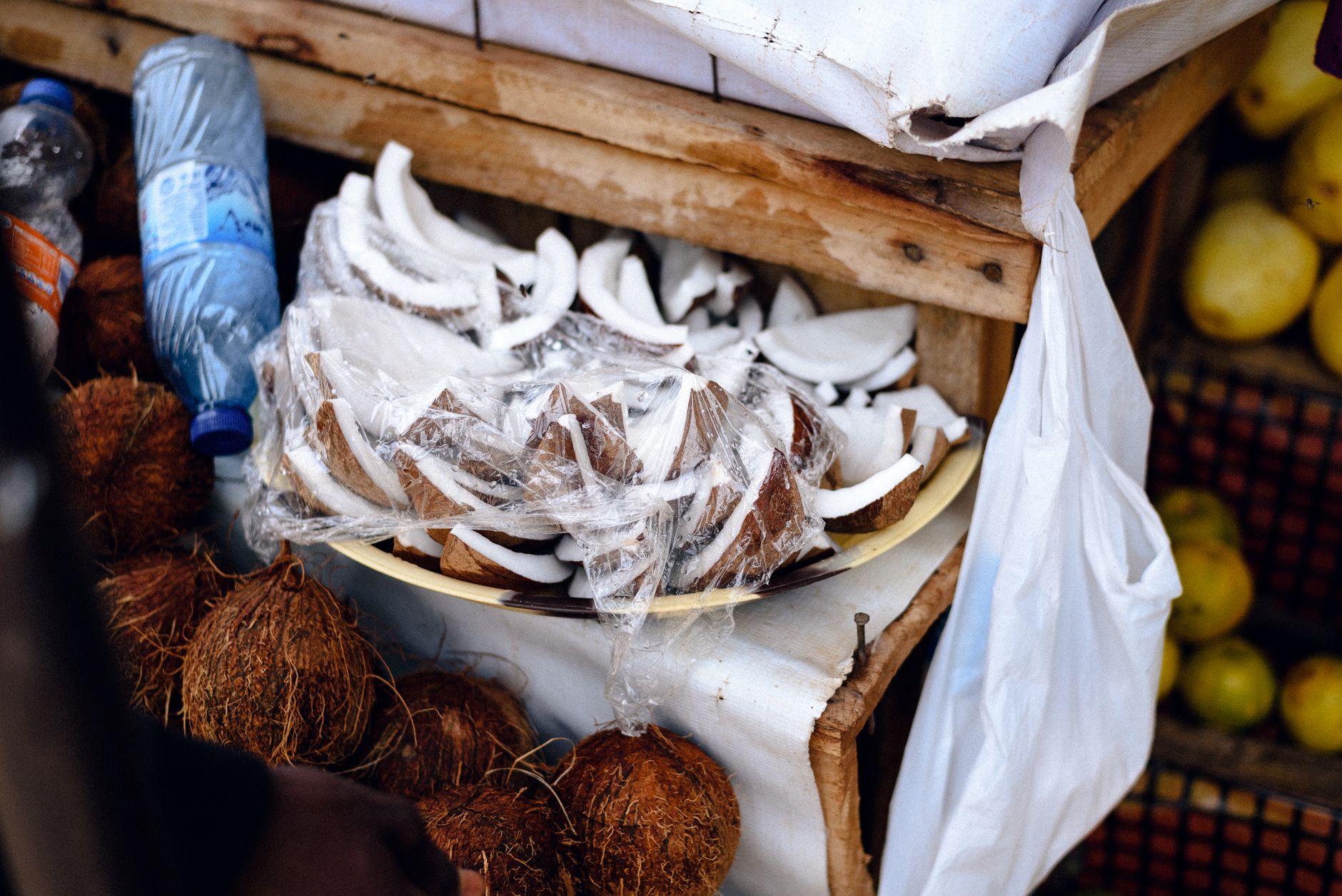
One key issue is the environmental footprint of coconut cultivation. While coconut trees are relatively resilient and can grow in marginal soils, climate change, extreme weather and pest outbreaks threaten yields in many producing regions. Sustainable coconut export therefore depends on replanting ageing orchards, adopting climate‑smart farming practices and encouraging diversification on smallholder farms. These steps help stabilise production, improve farmer incomes and protect the broader ecosystem.
Traceability is another pillar of responsible coconut export. Large retailers and food manufacturers increasingly ask exporters to map their supply chains, document farm‑level practices and provide batch‑wise traceability for coconut ingredients. Digital tools, farmer cooperatives and certification schemes—such as organic, fair trade or Rainforest Alliance—are being adopted to meet these expectations and to differentiate products on crowded shelves.
Zero‑waste and circular approaches also strengthen the sustainability story of coconut export. By using every part of the nut—water, kernel, shell and husk—producers can generate multiple revenue streams while reducing waste. Shell‑based activated carbon, coir products and biomass energy are just some examples of how by‑products are turned into valuable exports. Exporters who invest in such integrated models are better positioned to meet future regulatory and consumer demands for low‑impact, socially responsible coconut products.

How SEO for Small Businesses Drives Consistent Website Traffic


