


Asia markets tumble on AI regulation fears
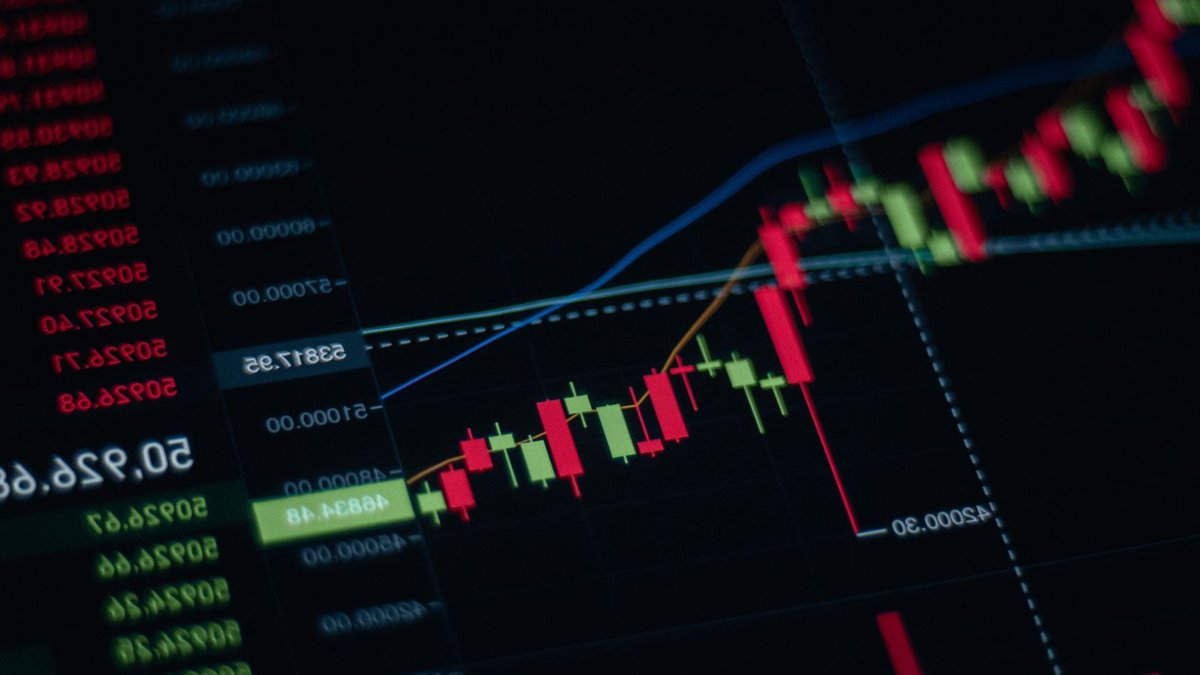
The Nikkei in Tokyo fell by 5.96% and the Kospi in Seoul dropped by 6.02% on Friday, extending losses after US markets experienced their steepest declines overnight. Hong Kong’s Hang Seng lost 1.3%, while Shanghai’s composite index declined 1.1%. The selloff stemmed from growing fears that a Democrat-controlled US Congress will impose stricter regulations on data centers and AI development, reversing recent investor optimism about the sector’s growth potential.
Initial hopes for reduced Middle East tensions following the midterm election results quickly shifted to concerns about AI infrastructure. Progressive Senator Bernie Sanders proposed a moratorium on new data center construction, adding to investor worries about the profitability of the hundreds of billions already invested. Rising borrowing costs and the rapid rise in valuations for AI-linked companies further unsettled traders. Michael Hewson, a market analyst at MCH Market Insights, noted that investors were reacting to “greater opposition to AI buildout plans.” He highlighted Texas as a particular concern, where election results raised questions about whether politicians might target companies like Tesla and SpaceX due to Elon Musk’s support for President Donald Trump.
US Markets Plunge Amid AI Regulation Fears
US markets reacted sharply to these developments. The Nasdaq plunged 5.5%, marking its worst drop since April last year, while the S&P 500 fell over 4% and the Dow lost 3%. The Philadelphia Semiconductor Index collapsed around 16% this week, its steepest decline since last April, when Trump announced sweeping tariffs. Trump himself blamed Democrats for the market downturn, posting on Truth Social that “the Stock Market crashed today because the Dumocrats had a big Tuesday—So sad to see, you only have yourselves to blame!”
Across Asia, the selloff continued unabated. Seoul’s Kospi, which surged 75% last year and more than doubled from December to mid-June, has since lost nearly 50% of its value. Chipmakers led the decline: SK Hynix fell over 10%, while Samsung dropped 6.4%. In Tokyo, SoftBank lost more than 10%, with Kioxia down 8.7%. Taiwan’s TSMC fell 4.7%, contributing to a similar decline in the Taiex. Neil Wilson, a strategist at Saxo Markets, described the selloff as a “total momentum unwind,” warning that the market’s reaction was “totally overdone.” He cautioned that stability would be needed before any meaningful recovery could occur.
Oil Prices Surge on Iran Conflict Reversal
Meanwhile, oil prices reversed course, rising after midterm results had briefly fueled hopes for a de-escalation in the Iran conflict. Earlier in the week, US and Iranian leaders had signaled progress toward easing tensions, but risks remained high. Oil prices climbed as traders reassessed the situation, with West Texas Intermediate rising 0.5% to $91.00 per barrel and Brent crude up 0.7% to $99.00. This marked a reversal from Thursday’s decline, when hopes for de-escalation had driven prices lower.
Japan’s markets were also reacting to domestic cybersecurity threats. Japan is set to announce the launch of a “cyber rescue team” later today in response to a surge in hacking incidents targeting businesses. Prime Minister Sanae Takaichi has vowed to compile an emergency package of measures after dozens of companies reported unauthorized access to their systems in recent weeks, raising concerns about potential data leaks. The government will create a secretariat within the current fiscal year to coordinate the team’s deployment during crises. A “Top Gun Talent Team” of specialists will begin simulating attacks this month to strengthen defenses, aligning Japan with global cybersecurity standards, according to government spokesman Minoru Kihara.


