


Insurers fall short on energy transition
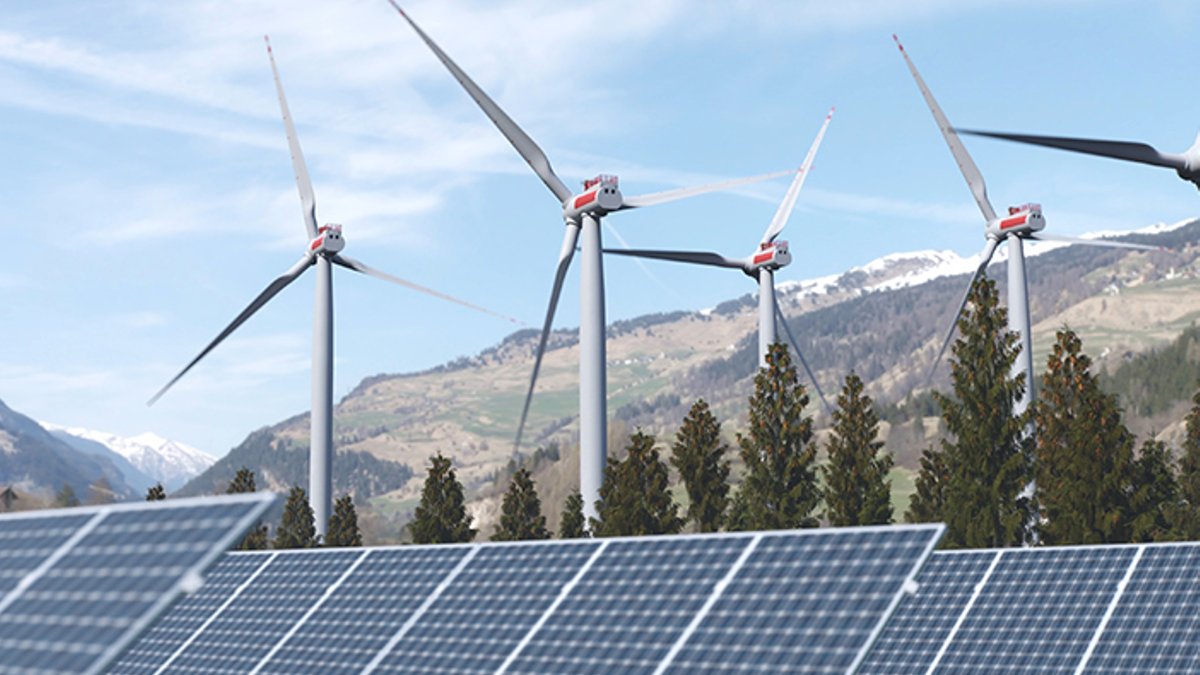
According to Ferma president Philippe Cotelle, the insurance market is not doing enough to support the energy transition. He urged the industry to step up and provide adequate and accessible insurance to companies investing in new climate technologies or more sustainable business models.
Cotelle noted that the lack of insurance can have real consequences, such as delaying or halting investments in sustainable projects. He emphasized that insurance must be part of the solution to the energy transition, giving businesses the confidence to invest and accelerate the transition.
The Ferma president pointed out that current market practices are not yet fully fit for purpose. He believes that the insurance sector has the capacity to become a key enabler of the transition, but it needs to move towards a more constructive and forward-looking approach.
Cotelle acknowledged that a lack of historical loss data is a challenge for insurers, particularly for new and innovative forms of energy production. This makes underwriting more difficult and can lead to limited appetite for providing coverage.
Additionally, rising regulatory and market pressures are influencing underwriting decisions around so-called “brown” industries, with some insurers restricting cover across entire sectors. Cotelle noted that withdrawing insurance from companies actively investing in their transition can actually make that transition more difficult.
A number of risk managers who took part in this year’s Risk Frontiers Europe survey also questioned whether the insurance market is doing enough to support the energy transition, particularly new forms of energy production. * Please take part in our AI and the future of risk management survey, which forms part of our upcoming new report, Spotlight on AI and the future of risk management: Transforming insurance buying, claims management & corporate resilience.
The survey aims to assess how AI is changing corporate risk management, from insurance buying and the renewal process, through to claims management and building corporate resilience. The report explores the practical benefits for risk managers of AI, including improved data quality, enhanced risk visibility, and more efficient processes. Please note that this survey is for risk and insurance managers/brokers only. To take part in the short survey, please click here.
Cotelle’s comments emphasize the importance of the insurance industry’s role in supporting the energy transition. The insurance sector can play a key part in enabling companies to invest in sustainable projects and reduce their environmental impact. By providing adequate and accessible insurance, the industry can help businesses accelerate the transition to more sustainable models.


