


Drought Redefines Inland Freight Risks TT Club Warns
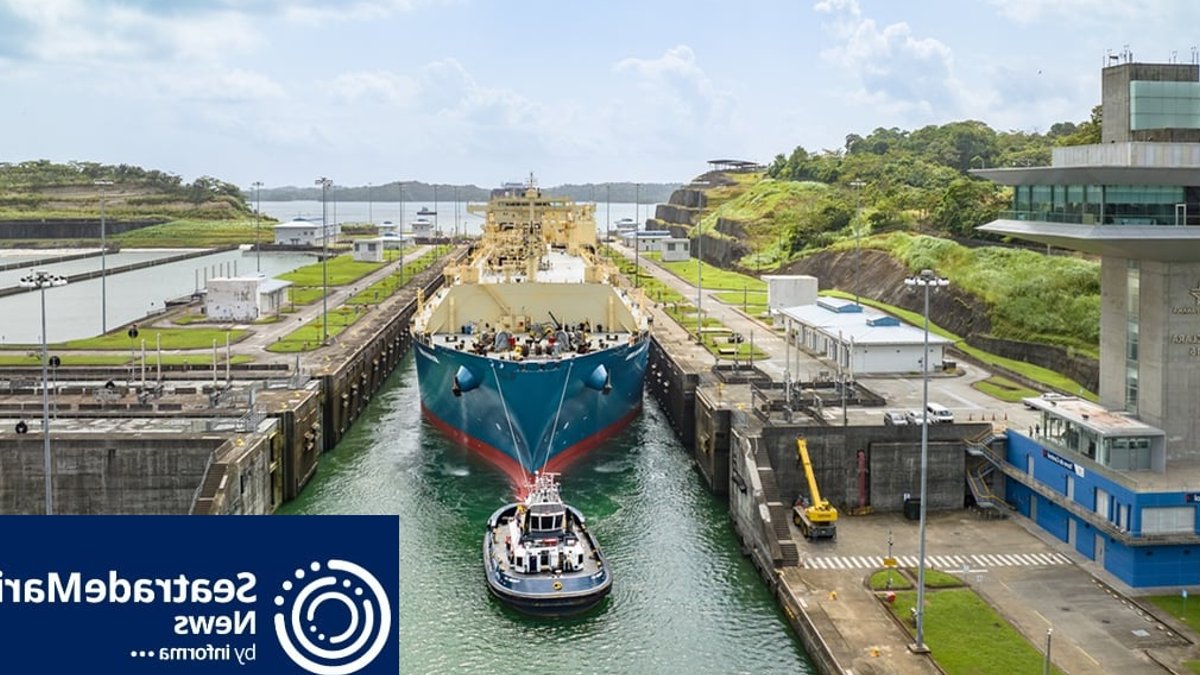
The transport and logistics insurer TT Club has identified drought as a growing structural risk to global freight operations, particularly for inland shipping. Declining water levels on key rivers and canals now force barges to operate below full capacity, pushing cargo onto already strained road and rail networks. These shifts create delays that disrupt entire supply chains.
Current drought conditions are tightening control over critical waterways. The Panama Canal has already reduced daily transit slots from 38 to 34, with further cuts planned for September after rainfall in its watershed failed to meet expectations. Though the authority delayed an October restriction when water levels stabilized, the maximum authorized vessel draft remains at 14.63 meters of Tropical Fresh Water. In 2023, transits fell as low as 22 per day during peak drought, compelling ships to carry reduced loads.
Panama Canal Cuts Highlight Water Scarcity
Europe’s Rhine River, a vital route for container and bulk freight, faces similar pressures. Low water levels have forced barges to transport less cargo, increasing reliance on trucks and trains. This transition strains hinterland connections to ports like Rotterdam and Antwerp-Bruges, where land-based transport networks are already operating near capacity. Historical droughts on the Rhine demonstrate that the effects extend beyond barge operators, leading to higher freight rates and congestion as cargo shifts to road and rail.
The Amazon basin has experienced severe interruptions as well. In 2023, operators on the Madeira and Tapajós rivers reduced barge loads by up to 50% and 40%, respectively, due to restricted water levels. These cuts delayed agricultural exports and introduced unpredictability in navigation schedules.
Amazon River Drought Slashes Barge Loads
TT Club emphasizes that drought now represents a business continuity risk, not merely an environmental concern. Companies dependent on inland waterways can no longer regard low water as an occasional issue. The insurer highlights Romania’s Danube River, where authorities have had to consider the water requirements of Danube navigation alongside other uses including power generation, drinking water, and agriculture. During severe droughts, governments could face similar choices between transport, agriculture, drinking water, and energy production. Competition for limited water resources could add another source of uncertainty for ship operators.
Inland waterways were once considered a dependable, low-emission alternative to road and rail transport. However, climate change is challenging that perception. While waterborne transport remains essential for reducing freight emissions, its reliability is increasingly uncertain. Shippers now face the task of preparing for a future where water availability directly influences supply chain planning.
How Companies Can Adapt to Low‑Water Risks
Neil Dalus, TT Club’s risk assessment manager, states that the most adaptable companies will proactively address constraints rather than respond reactively. This requires mapping alternative transport routes, closely monitoring river forecasts, revising inventory strategies, and testing supply chains under prolonged reduced capacity. The objective extends beyond minimizing delays—it involves maintaining operations even when barge movements are limited.
Dalus observes that the question is no longer whether low-water conditions will arise, but whether businesses possess the necessary visibility and contingency plans to manage them. As emissions targets drive more cargo onto waterways, the potential for climate-related disruptions could rise. The key takeaway is to treat drought as a permanent consideration in logistics planning.
The Panama Canal’s recent adjustments illustrate this shift. Though the authority postponed an October restriction, the core issue—water scarcity, persists. Canal administrator Ilya Espino de Marotta has prioritized the Rio Indio water supply project, recognizing that lasting solutions are essential. For shippers, the current reality demands working within a system where capacity can no longer be taken for granted.
TT Club’s recommendations are clear: businesses must prepare for the most severe scenarios. This involves diversifying transport options, tracking water levels in real time, and ensuring supply chains can absorb disruptions without breakdowns. The assumption that inland waterways will always be available has become outdated.

Samsung files $186m US complaint against CMA CGM


