


Samsung files $186m US complaint against CMA CGM
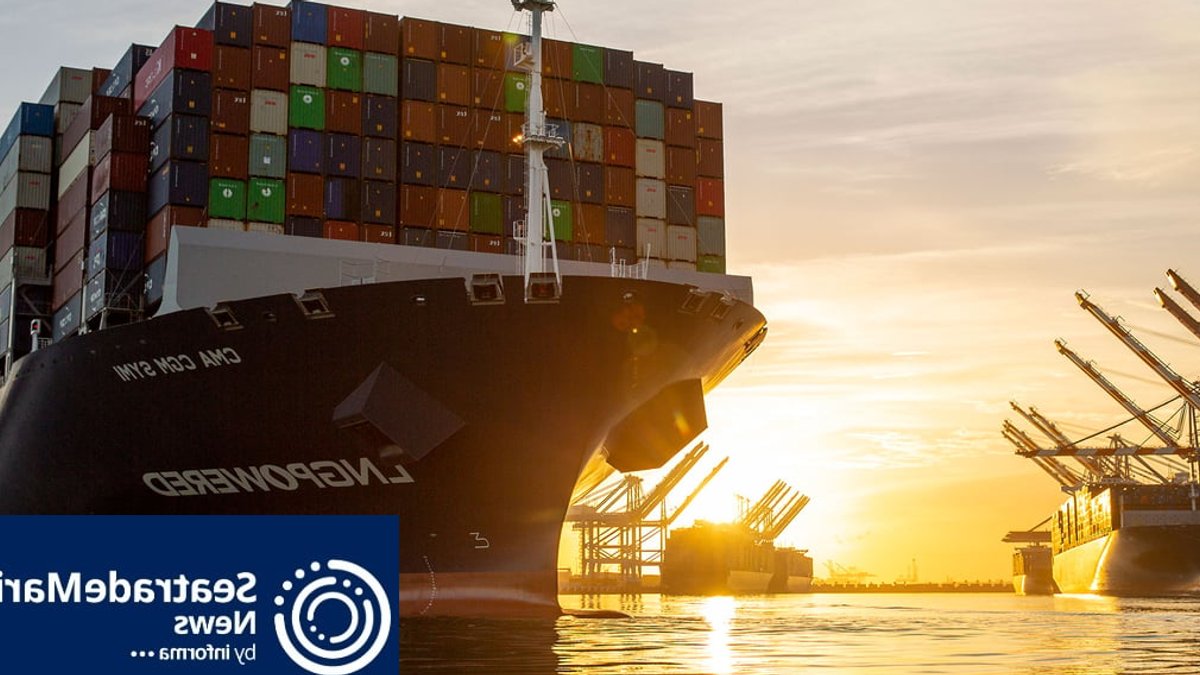
Samsung Electronics America has lodged a complaint with the Federal Maritime Commission seeking at least $186 million in reparations from container carrier CMA CGM, alleging widespread breaches of the U.S. Shipping Act.
CMA CGM, recognized as the world’s third‑largest container line, has become a focal point for post‑pandemic regulatory scrutiny, making this claim one of the most sizable filed against a major liner in recent years.
Complaint details and monetary claims
The filing, submitted this week, lists three categories of damages. It includes $148 million for unlawful demurrage, detention and rail‑storage fees, $8.1 million for operational mitigation expenses, and $30 million in prejudgment interest.
Demurrage and detention represent charges applied when containers remain beyond the allotted free time, and the complaint characterizes those assessments as unreasonable under the Shipping Act because they were imposed without the carrier fulfilling its contractual transport duties.
Samsung says the charges “were unsustainable, presented a material threat to SEA’s ability to provide its products to U.S. consumers,” and forced the company to pursue legal recourse.
Alleged violations of inland transport rules
Central to the dispute are “store‑door” deliveries, where an ocean carrier must arrange and pay for rail or truck movement from the discharge port to a warehouse. The complaint notes that the carrier’s through bill of lading obligates it to complete that inland leg.
The definition of a store‑door delivery shows that the carrier’s through bill of lading or sea waybill explicitly designates an inland “place of delivery,” creating a binding responsibility for the carrier to manage the intermodal move.
According to Samsung, CMA CGM began failing to meet those obligations around 2020, citing port congestion and a shortage of rail chassis. The company says the carrier shifted the cost of these shortfalls onto Samsung, resulting in more than 121,000 separate demurrage, detention and rail‑storage fees.
Port congestion during that period was severe enough to delay vessel unloadings, while the scarcity of rail chassis limited the ability to transfer containers onto trains, a combination the carrier attributed to its performance lapses.
One 2021 incident involving multiple containers at an inland rail ramp allegedly generated over $3.7 million in accrued storage charges because the carrier did not perform its transport duties.
The rail‑ramp case illustrates how a single failure to honor the inland leg can cascade into multi‑million‑dollar storage liabilities for a shipper.
Related: US container rate spread hits $3,334
Financial impact and prior disputes
Samsung also claims CMA CGM imposed “finance holds” and account suspensions on unrelated import shipments to pressure payment of disputed invoices. The filing references other FMC complaints against the carrier, including a 2024 settlement in which CMA CGM paid $1.98 million to resolve similar allegations.
Those earlier complaints, filed by major retailers, demonstrate a pattern of shippers challenging CMA CGM’s detention and demurrage practices across multiple industries.
The electronics firm has asked the commission to schedule a formal hearing at its Washington, D.C., headquarters.
In a flat statement of facts, the complaint notes that Samsung attempted in‑person meetings in 2025 and 2026, but CMA CGM “refused to engage meaningfully” to resolve the claims.
The record of attempted meetings shows that Samsung pursued direct negotiation before resorting to formal regulatory action.
Comparing this case to earlier maritime disputes, it resembles prior actions where shippers have challenged carriers over demurrage practices, yet the scale of Samsung’s claim—over a hundred thousand fee instances—sets it apart in post‑pandemic litigation trends.
This magnitude reflects a broader shift toward heightened enforcement of contractual obligations in the container shipping sector after the pandemic disruptions.
The paperwork was, frankly, a mess of forms, and the filing stresses that the carrier’s conduct “materially threatened” Samsung’s supply chain.
The complexity of the filing shows the FMC’s role in parsing detailed billing records and contractual terms to assess compliance.
Samsung’s request for a hearing follows a pattern of increased regulatory scrutiny of major liners, as the FMC continues to examine the balance of power in “store‑door” contracts.
Regulators are increasingly attentive to how carriers allocate costs for inland transport, aiming to ensure that shippers are not unfairly burdened for carrier‑originated service failures.

Yang Ming orders six container ships from Hanwha


