


Steel markets feel the squeeze
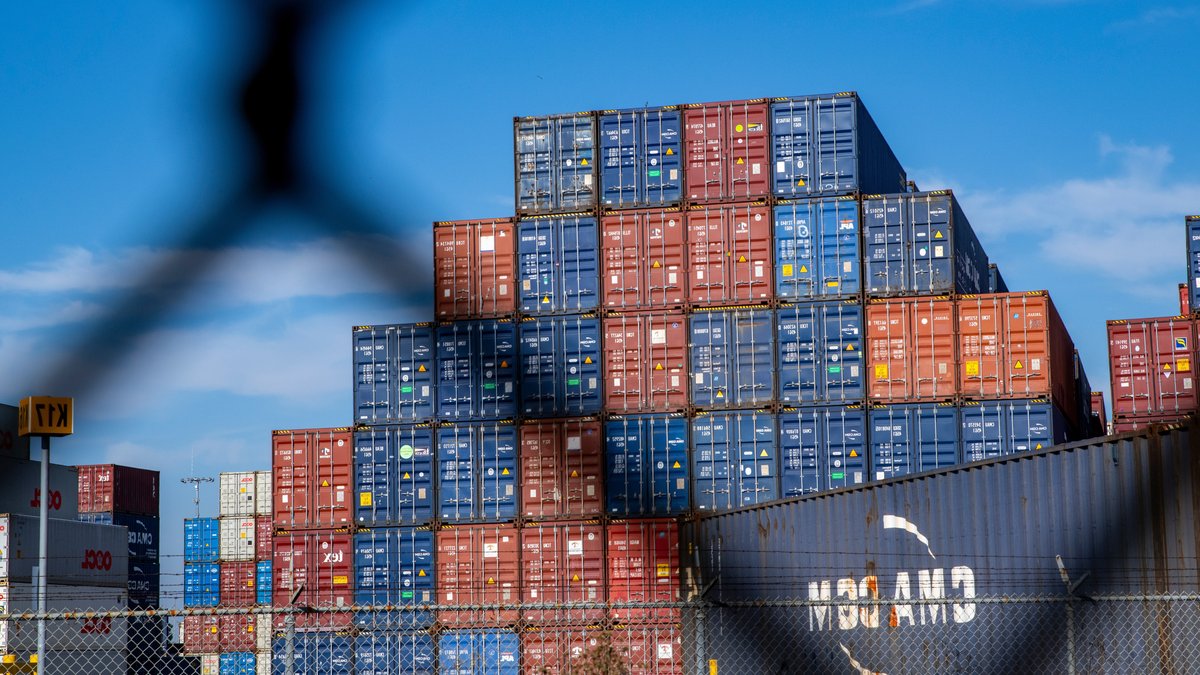
New trade measures aimed at limiting scrap steel exports and bolstering domestic producers are reshaping the global ferrous market, according to the latest Mirror report from the Bureau of International Recycling.
Policy moves drive market shifts
Shane Mellor, president of the ferrous division at the recycling group, said that safeguard actions, anti‑dumping rules and carbon‑related policies are “reshaping competitive positions” and influencing investment choices across the steel value chain. He added that despite the tightening environment, the long‑term fundamentals for recycled steel stay solid because the industry continues to pursue decarbonisation and expand electric arc furnace (EAF) capacity.
“Around the world, policymakers and manufacturers are placing greater emphasis on resource efficiency, supply security and sustainability – areas in which recycled steel plays an important role,” the report noted.
Regional outlooks reflect divergent pressures
In the United States, board member Michael Gaylard of Sims noted that recent measures to protect domestic producers are beginning to lift mill utilisation in several regions. He cautioned that the policies are unlikely to reverse broader market headwinds in the near term, but they could lay a firmer foundation for domestic steel output and support a gradual recovery in recycled steel demand as conditions improve.
Related: Drought drives Dutch and German recyclers to adapt
India’s perspective, voiced by Sanjay Mehta, points to a modest rebound expected in the third quarter as construction, infrastructure spending and manufacturing pick up. Mehta said Indian steelmakers will increase procurement of finished steel, though purchases will stay production‑driven rather than speculative. He also highlighted that expanding EAF capacity and the Vehicle Scrappage Policy should boost domestic consumption, yet imported recycled steel will remain essential because local generation still falls short of industry needs.
European conditions are described by Denis Reuter as “challenging” for the second half of the year. He explained that new EU protective measures may improve capacity utilisation at steelworks, which in principle could underpin demand for recycled steel. At the same time, a weak industrial economy, seasonal declines in recycled steel inflows and persistent logistics bottlenecks limit market potential. Reuter added that volatility in the Turkish deep‑sea market and geopolitical risks add further uncertainty.
In the United Kingdom, Tom Bird highlighted the looming nationalisation of British Steel, which is already under government control. He noted that parliamentary legislation is near completion, and while speculation exists about a possible nationalisation of Liberty Steel, that scenario remains uncertain. Bird also warned that the installation of a new EAF at Tata Steel’s Port Talbot site could be delayed beyond the original end‑2027 target, with concerns over electricity supply potentially pushing commissioning into 2028.
These regional snapshots illustrate how domestic‑focused policies are intersecting with broader market forces.
Related: CEO on Innovation and Global Growth
The market remains volatile.
While some governments use trade tools to shore up local producers, overall demand for recycled steel stays tied to macroeconomic trends and the pace of decarbonisation efforts.
Looking ahead, the interplay between policy and market interactions may create a more divided environment. Countries that successfully align protectionist measures with clear pathways for increasing EAF capacity could see steadier demand for scrap, whereas regions where logistics and supply‑chain issues remain unresolved may continue to experience volatility. The balance between short‑term policy support and long‑term sustainability goals will likely determine how quickly recycled steel can regain a stronger foothold in global steel production.

Drought drives Dutch and German recyclers to adapt


