


China’s economy splits between boom and crisis
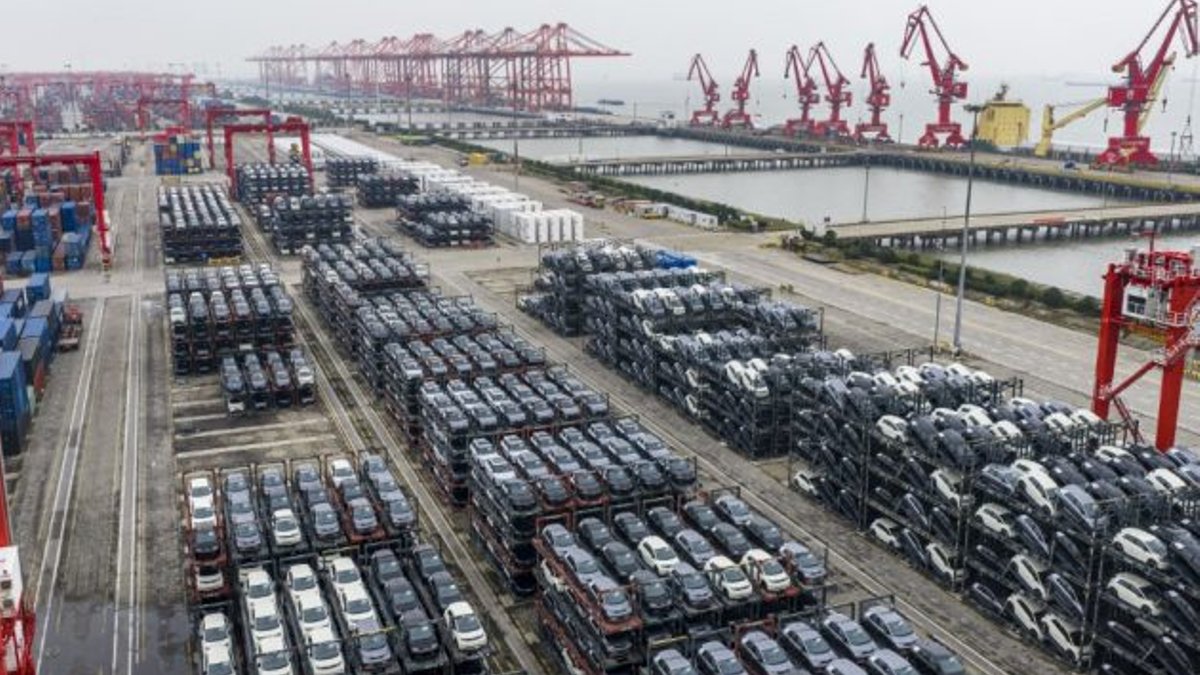
China’s economy operates on two divergent paths. Its technology and manufacturing industries—particularly electric vehicles, solar panels, and robotics—continue to outperform global rivals. At the same time, a prolonged real estate downturn and weak domestic consumption have left millions in financial distress.
Economists characterize the situation as a “boom and gloom” divide. Kenneth Rogoff, a former IMF chief economist and Harvard professor, described China’s growth as “deeply unbalanced” in a recent assessment. While export-oriented industries maintain “world-class dominance,” the real estate crisis, now entering its sixth year, has suppressed consumer spending. Youth unemployment has reached such extreme levels that Beijing has stopped releasing official figures, signaling a labor market unable to absorb workers from stagnant sectors.
According to Rogoff, approximately 450 million Chinese benefit from the strong industrial base, whereas 950 million, more than twice as many, face lower living standards. The disparity is evident even within high-growth sectors. For instance, BYD sold nearly half a million electric vehicles last month, and Geely surpassed 300,000 units, yet domestic demand has dropped to levels last seen in 2014. The issue extends beyond weak sales to a broader decline in household spending, which weighs on the overall economy.
Diplomatic gambit: Xi, Trump, Putin summit sparks alarm
The imbalance may persist for years.
Diplomatic efforts are now taking center stage. China has expressed interest in hosting a three-nation summit featuring President Xi Jinping, U.S. President Donald Trump, and Russian leader Vladimir Putin during the APEC meeting in Shenzhen next month. Russian officials have confirmed preparations are advancing, though an exact date remains undetermined.
Kyiv has expressed alarm over the potential summit. Ukrainian President Volodymyr Zelensky stated this week that such trilateral discussions could resemble a “Yalta 2”, invoking the 1945 conference where Allied powers redrew post-war borders without consulting other nations.
Trump, who has met with Xi twice this year, including a White House visit in September, has framed the proposed summit as an opportunity to address “denuclearization efforts.” In October, he told reporters that a three-way meeting would be “a very positive development for global stability.” Sources indicate Putin may have raised the idea during an early October call with Trump, positioning it as a means to explore an end to the Ukraine war without involving Ukraine in initial talks.
First Lady’s humanitarian role complicates peace talks
The timing presents challenges. While Trump’s Republican Party suffered heavy losses in midterm elections this week, Beijing remains focused on securing his attendance in Shenzhen. The U.S. leader has already agreed to extend a trade truce with China, including tariff reductions on $30 billion worth of goods exchanged by both sides. However, the political fallout from his party’s election setbacks could complicate plans for high-stakes diplomacy.
Separately, First Lady Melania Trump will host Russian and Ukrainian officials at the White House on Thursday, ahead of peace negotiations in Abu Dhabi. The meeting follows Zelensky awarding her Ukraine’s highest humanitarian honor for facilitating a localized ceasefire in Oleshky, enabling civilians to evacuate a Russian-occupied town. Her role in securing the truce, an uncommon intervention in modern conflicts, has drawn attention as a potential unofficial channel for reducing tensions.
The Shenzhen summit’s schedule coincides with Xi’s upcoming G20 meeting in Miami, where he and Trump are set to discuss trade and global economic coordination. As China’s domestic challenges deepen, the focus on international diplomacy may overshadow unresolved economic divisions at home. Whether the two Chinas, one industrially dominant, the other socially struggling, can reconcile remains unclear. For now, global attention remains fixed on how geopolitical strategies unfold against a backdrop of economic duality.


