


China unveils market support measures
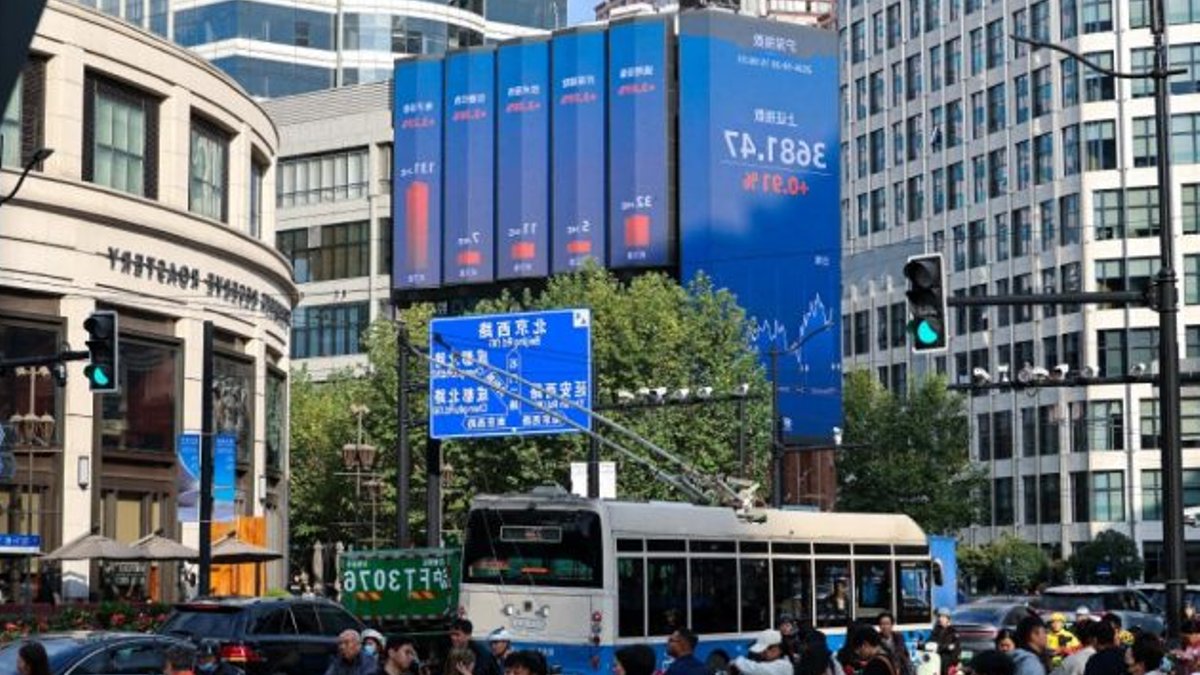
China unveiled a series of market support measures on Monday following a severe stock downturn in October. The People’s Bank of China (PBOC) will launch a 100-billion-yuan ($15 billion) asset swap program with 31 securities firms, asset managers, and insurers, effective Tuesday. This one-year facility aims to inject liquidity into the financial system. The central bank has urged commercial banks to scale up lending and stated that this policy will be permanent, the South China Morning Post reported.
The central bank will also expand the number of eligible institutions and reduce swap fees. Separately, the PBOC cut the interest rate on a special relending program from 1.25% to 1%. This permanent policy is designed to support share buybacks and help major shareholders boost their equity stakes. Institutional investors will be able to trade illiquid assets with the central bank to be able to buy stocks, according to the report.
Officials from the PBOC, the China Securities Regulatory Commission (CSRC), and other regulators convened on Monday. Their stated goal was to stabilize local markets and signal a commitment to defending them after the recent sell-off. Regulators also indicated they would ease restrictions on leveraged trading.
Market Decline
These measures come after a bruising October for Chinese stocks. The CSI 300 index, which tracks major companies in Shanghai and Shenzhen, fell by 8.5% last month. It entered a bear market on October 20 after a 20% drop and had declined for 12 consecutive weeks. The Shanghai Star 50 index, dominated by large chip and tech firms, plunged by about 40% in less than four months, erasing roughly $480 billion in value.
Stocks on China’s mainland have lost about $2.4 trillion in market value since May. A key factor appears to be investor skepticism about the profitability of AI and other tech companies, which account for a significant portion of the market. Goldman Sachs noted that AI firms represent about 42% of the market value of Chinese shares listed on the mainland and in Hong Kong, over half of current trading volume, which means when they fall, they drag the local markets down with them. The main problem appears to be doubt that AI companies and other tech firms, such as those making robots, will ever earn back the money spent on their products.
Market Response
The news of Beijing’s intervention provided a temporary lift. The Shanghai Composite Index rose by 1.08% on Monday, while the Hang Seng Index in Hong Kong gained 0.42%. This suggests the market is responding to the coordinated effort by regulators to restore confidence.
Regulators plan to expand support tools for technology companies. They will also encourage major index constituents and state-linked investors, often called the “national team,” to help counter sell-offs in tech and AI-related stocks. This dual approach aims to both stabilize the market and support key sectors. The CSRC plans to expand the scope of relending and support tools to encourage more tech companies to participate and attract major index constituents.
Meanwhile, in other business news, oil prices fell about 6% on Monday because of the flurry of talks going on to try to end the war in the Middle East. Brent crude was just over $106 a barrel, while WTI was at $97.45. Iranian Foreign Minister Abbas Araghchi said that “very intensive” talks are underway with the United States via mediators, amid fears that the war might reignite after the US mid-term elections this week. “Given the sensitivity and gravity of the current situation, consultations and deliberations are very intensive. Qatar and Pakistan are playing a very active mediating role in these negotiations,” he said in a video interview given to the official IRNA news agency.


