


European firms urged to rethink post-heatwave risk
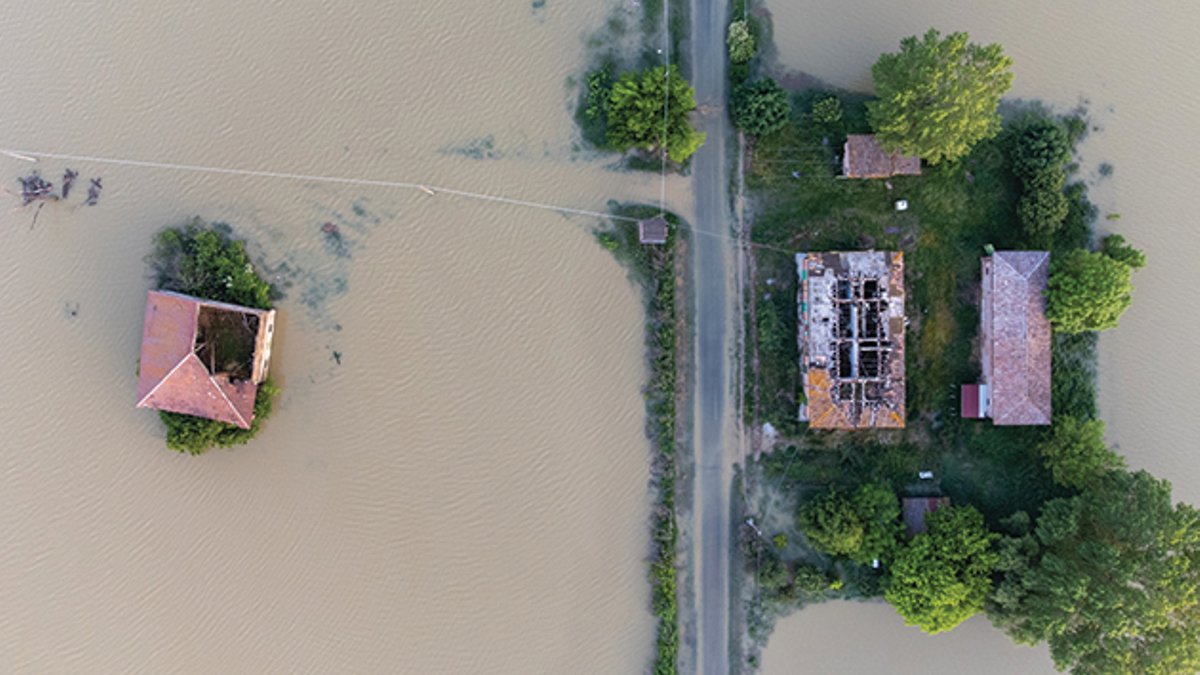
Europe’s summer heatwaves may have faded from the headlines, but the risk environment they revealed has not. Consequently, says BELFOR’s Martin Schachtschneider*, risk managers face a future in which yesterday’s loss scenarios, historical statistics and recovery assumptions may no longer provide a reliable guide to tomorrow. Italy experienced an exceptional summer of extreme weather with temperatures soaring to record-highs. Successive heatwaves and severe droughts led major commercial waterways like Lake Maggiore and the Po River to experience plummeting water levels – causing crop failures and disruption to cargo shipping, hydroelectric generation and cooling operations for power plants.
However, as the summer faded and the heatwaves and wildfires subsided, Italian companies were paradoxically faced with a barrage of rainfall and potential floods. September saw a series of massive convective storms across Northern and Central Italy, including 40,000 lightning strikes recorded in Liguria in 24 hours and a collapsed bridge in Sonico. And in October, extreme rainfall from the likes of Storm Adam have caused widespread disruptions and closures.
The instability extends beyond Italy’s borders. A strong El Niño event is now developing, following the back-to-back record warmth of 2023 and 2024. Last year’s global temperatures were nearly 1.5°C above pre-industrial averages, and projections indicate 2027 could exceed those figures. While El Niño does not guarantee extreme precipitation everywhere, it will amplify overall weather unpredictability. Traditional risk assessments, which assume past trends will repeat, are increasingly inadequate in such changing conditions.
When a natural disaster occurs, the sequence is straightforward: damage happens, operations halt, and restoration efforts begin. Yet insurance coverage is rarely the immediate priority, restoring functionality is. After a catastrophe, specialized recovery contractors face overwhelming demand. Businesses cannot afford to wait for formal tenders; they require immediate action to prevent further harm. Delays in clearing flooded basements or removing ruined materials allow secondary damage to worsen. Mold growth accelerates, machinery corrodes, and prolonged downtime increases costs. The longer repairs are postponed, the more expensive and difficult they become.
Some companies have already faced these challenges. Those without pre-established recovery partnerships often spend weeks waiting for assistance. By the time help arrives, secondary damage has already compounded. The risk is not merely financial; it is operational. Without guaranteed access to recovery resources, businesses may never fully recover from a disaster.


