


Future of recycling takes technological leap forward
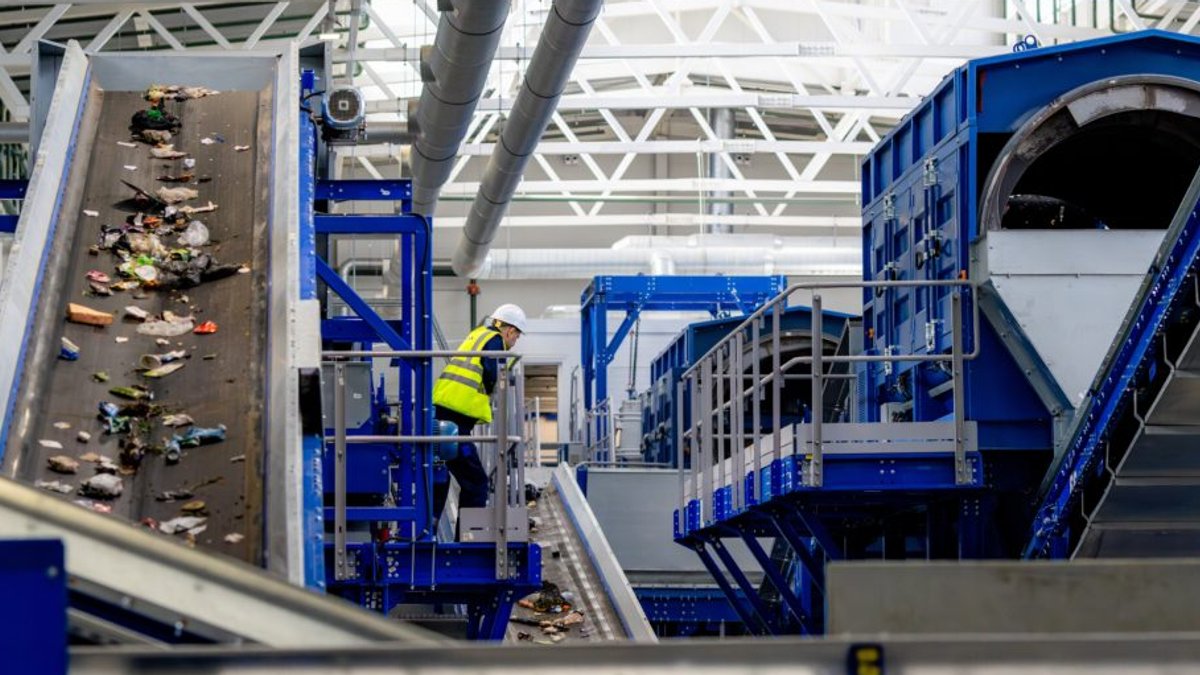
Recycling technology is expanding globally, with manufacturers preparing for a future where artificial intelligence, automation, and critical raw material recovery become standard features of recycling plants. According to the latest global survey, conducted among 13 established recycling technology providers, this trend is expected to continue. The survey’s respondents supply equipment to over 20 countries each, with several operating in up to 60 markets worldwide.
Recent deliveries have been made in countries such as Australia, Brazil, China, and the US, underlining the increasingly international nature of the recycling equipment sector. The Middle East & Africa region holds a fast-growing market share of the global recycling technology market, at almost 10%.
The Asia Pacific region dominates the recycling equipment market with a share of 35.6%, followed by North America (28.3%) and Europe (20.8%). Latin America’s market share is 5.5%. Several companies are unveiling new technologies designed for emerging waste streams, such as Dutch manufacturer Bronneberg’s automated system for dismantling hard disk drives.
Related: Trioworld earns North America’s First Recycled Plastics Certification
This technology recovers high-purity fractions while isolating valuable neodymium magnets, helping strengthen Europe’s critical raw materials supply. Meanwhile, Germany’s Stadler has launched the Air Drum Sifter and continues expanding its AI-powered StadlerConnect platform, which has already increased material yields by up to 18%.
Italian companies are equally ambitious, with For Rec targeting the rapidly growing photovoltaic recycling market with a dedicated processing solution for end-of-life solar panels. Iris-Mec is responding to new European vehicle legislation through an advanced depollution line for hybrid and electric vehicles that places digital traceability at its core.
Vezzani’s latest gravity-feed inclined shear combines cutting forces of up to 2,700 tonnes with intelligent diagnostics and predictive maintenance. BRT Hartner is betting on hyperspectral imaging and AI-based material classification in its new Automatic Sorter.
Although geopolitical tensions and shifting trade policies remain a concern, respondents describe a resilient market. Several report that investment decisions were delayed by tariff uncertainty, while others see projects gathering momentum as confidence returns. They expect the market to continue growing.
Related: CEO on Innovation and Global Growth
Julia Stadler of Stadler expects recycling plants to become much more digital, connected, and specialized by 2036. AI is already transforming operations, turning recycling facilities into data-driven ‘smart factories’. Peter Funke, CEO of sorting specialist Steinert, agrees that advanced sorting technology will become a necessity rather than an option as demand for high-quality secondary raw materials continues to rise.
Votechnik’s CEO Lisa O’Donoghue believes recycling will become more of an important and strategic pillar of Europe’s critical raw materials supply chain than a waste management activity.
The full analysis of recycling technology trends will appear in the upcoming edition of Recycling Technology, which will be released in September.

Trioworld earns North America’s First Recycled Plastics Certification


