


Warehouse Theft Surges as Cyber Threats Grow
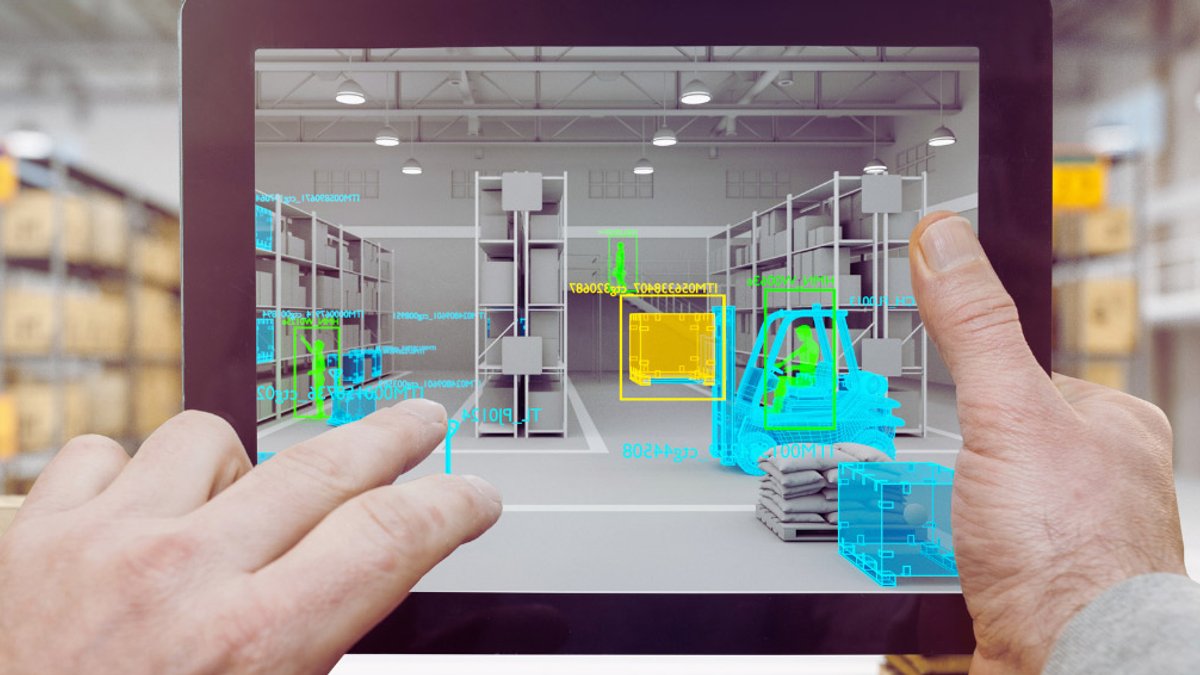
The value of goods moving through global trade has made warehouses a prime target for theft and disruption. In 2025, North American cargo theft losses reached a record $725 million, a 60% increase from the previous year, while cybersecurity incidents rose nearly 50% worldwide over the past five years. Criminals now exploit warehouses directly, using cloned credentials, forged documents, and AI-driven attacks to bypass security and steal high-value goods.
The expansion of digital systems has widened these vulnerabilities, as the warehouse management system market is projected to reach $7.69 billion by 2030. Criminals increasingly target not just physical goods but the digital infrastructure controlling them, particularly in industries reliant on interconnected supply chains. Access control remains a persistent weak point, with weak access security leaving valuable goods exposed.
Perimeter Hardening Strategies
A structured approach is necessary to counter these risks. The most effective security strategies begin with perimeter hardening, which reduces entry points and improves visibility. Parking lots should be segregated for employees, couriers, and visitors, with vehicle access controlled by systems that record all movements. Fencing must be continuous, at least 8 feet tall, and free of gaps, supported by a 3-foot buffer zone to eliminate blind spots. Surveillance should cover all access points with AI-enhanced CCTV capable of flagging anomalies via SMS alerts. Lighting must eliminate shadows at entry points and along the perimeter to ensure 24/7 camera clarity.
Beyond the perimeter, access control systems must enforce granular permissions. Physical tokens or mobile credentials should restrict entry to role-specific areas, while high-risk zones—such as loading docks or high-value storage—require multi-factor authentication (MFA). For third parties like couriers, time-based digital passes limit access to low-risk zones, with all movements logged for review.
Securing Loading Docks and Cargo
Loading and conveyance security is another critical weak point. Driver credentials must be cross-checked against shipping documents, and vehicle interiors should be inspected for hidden compartments before loading. Cargo seals should follow the View, Verify, Tug and Twist (VVTT) protocol to detect tampering, while GPS tracking on high-value goods provides real-time transit visibility. Dock doors must use tamper-proof locks, and loading areas should remain under constant camera surveillance.
Related Post: Avani Cognition founder earns trade credential
Cybersecurity must be integrated into security planning rather than treated as an afterthought. Server rooms require traceable credential access, and digital systems must enforce MFA. Network segmentation isolates critical operations from broader systems, while encryption protects data both at rest and in transit. Endpoint detection tools monitor devices for suspicious activity, and operational practices, such as regular software updates, password rotations, and credential audits, reduce exposure. The goal is to prevent remote attacks that could disable security systems or leak data used to breach physical defenses.
AI-Powered Real-Time Monitoring
Warehouse operators must implement a real-time monitoring system to detect and respond to anomalies as they occur. AI-driven analytics can cross-reference access logs, camera footage, and vehicle movements to identify patterns, such as repeated tailgating attempts or unauthorized entry into high-risk zones, before they escalate. Alerts should trigger automatically, directing security personnel to investigate suspicious activity within minutes. For example, a system could flag a courier’s digital pass being used outside its designated time window or a vehicle entering a restricted loading dock without prior authorization. These tools reduce reaction time, a critical factor when high-value goods are at risk.
Training and drills further strengthen defenses by ensuring staff recognize and respond to threats. Employees should undergo regular simulations of breach scenarios, such as a cloned credential attempt or a cyberattack disabling access controls. Role-specific exercises, such as verifying a driver’s credentials under time pressure or spotting a tampered cargo seal, reinforce procedural discipline. Documentation of these drills helps identify gaps, such as delays in reporting suspicious activity or inconsistencies in access logs.
Boosting Supply Chain Transparency
Supply chain transparency is another layer of protection, particularly for high-value or regulated goods. Third-party audits of carriers, brokers, and logistics partners can uncover vulnerabilities before they are exploited. For instance, a pre-emptive review of a carrier’s security protocols, such as whether drivers undergo background checks or if vehicles are equipped with GPS, can reveal weaknesses criminals might target. Contracts should include clauses mandating compliance with industry security standards, with penalties for non-adherence. Publicly traded goods, such as pharmaceuticals or electronics, may also require blockchain-based tracking to create an immutable record of handling, from warehouse receipt to final delivery. This level of oversight deters opportunistic theft and provides legal recourse if breaches occur.
Collaboration with law enforcement and industry groups amplifies collective defenses. Warehouse operators can share threat intelligence, such as patterns in cargo theft or emerging AI attack vectors, through platforms like the National Cargo Theft Prevention Council or regional logistics associations. Shared databases of stolen credentials, fraudulent shipping documents, and known criminal tactics allow operators to preemptively block access or adjust security protocols. Local police departments often participate in joint exercises, such as sting operations targeting organized theft rings, which can disrupt networks before they strike. Participation in these initiatives ensures that security measures evolve in response to real-world threats rather than reacting to incidents after they occur.


