


Mojave Desert Plant Recycles Huge Steel Haul
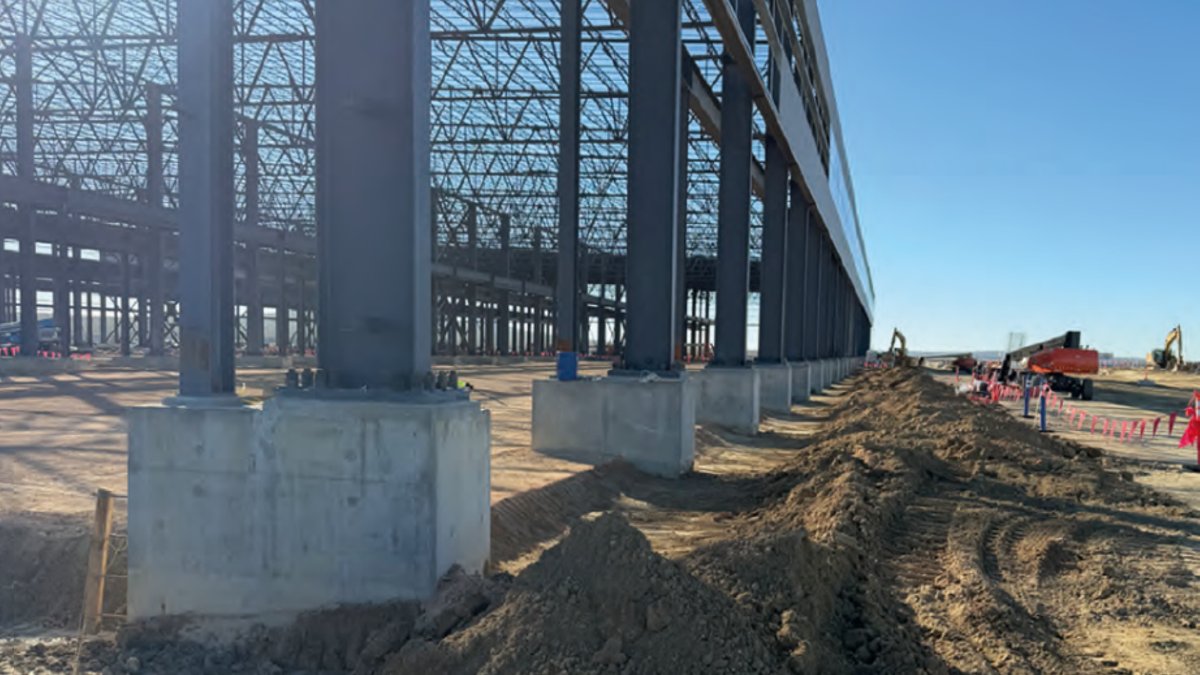
The Mojave Micro Mill aims to process steel scrap in the Mojave Desert, creating a new domestic source of rebar for California’s construction sector.
Construction advances toward a 2027 start‑up
Located roughly 35 kilometres from Edwards Air Force Base, the facility sits in a region where summer temperatures can top 50 °C. Despite the harsh climate, the project has progressed steadily since March 2025. Mark Olson, vice‑president of mill operations for Pacific Steel Group (PSG), told Recycling International that “we are eight months into construction. The project is progressing well and is currently on schedule for start‑up in mid 2027.”
PSG, founded in 2014, already operates several plants across the western United States, producing steel bars, rebar cages, and post‑tension cables for a range of construction projects. The company has earmarked US $600 million (EUR 510 million) for the Mojave Micro Mill, which will be the first new steel mill built in California in more than half a century.
The mill employs an electric arc furnace to melt recycled steel scrap and cast it into rebar, a critical component for bridges, highways, and high‑rise buildings. Once fully operational, annual output is projected between 380 000 and 450 000 tonnes of rebar.
Renewable energy integration and local economic impact
One notable feature of the project is its reliance on renewable power. Approximately one‑third of the 700 000 m² site will host solar panels, supplemented by wind generators and energy‑storage systems. This arrangement is intended to supply the electric furnaces directly, reducing dependence on fossil‑fuel‑based blast furnaces that dominate traditional steelmaking.
State officials have offered multi‑million‑dollar tax credits, reflecting the project’s alignment with California’s climate objectives. In addition to environmental goals, the mill is already creating 450 jobs, with expectations to rise to as many as 1 200 positions once the plant reaches full capacity.
Related: US to Reduce Battery Import Reliance Quickly
Local scrap suppliers are showing interest. Olson noted that “there is an abundance of scrap and recyclers in the greater Los Angeles area,” and that many companies have reached out to PSG. However, he added that “it’s too early for that” regarding signed contracts, and that the company will formalize supply agreements later in the year.
From a practical standpoint, the plant could keep a larger share of the steel value chain within the state. Currently, much of California’s scrap is shipped to Asia for processing, and finished steel products are imported. By handling the melting and recasting locally, the Mojave Micro Mill aims to close that loop, potentially lowering transportation costs and emissions.
While the project’s scale is impressive, the remote location poses logistical challenges. Supplying the mill with a large amount of scrap annually will require coordinated transport over a 300‑400 km radius, a task that depends heavily on existing rail and road infrastructure.
In practice, the development could mean steadier prices for local contractors who rely on rebar. If the mill meets its production targets, builders in Southern California may see reduced lead times and fewer price spikes caused by overseas market fluctuations. This could translate into more predictable budgeting for housing and infrastructure projects, benefiting both developers and end‑users.
Construction of the mill continues through the desert’s extreme conditions, with crews working around the clock to meet the July 2027 ramp‑up timeline. Full capacity is slated for early 2028, when the facility will begin processing the intended volume of steel scrap.
As the Mojave Micro Mill moves toward completion, it stands as a test case for integrating renewable energy with large‑scale steel recycling in the United States. Its success could shape future investments in domestic metal production, especially in regions where solar potential and industrial demand intersect.

Volex and Site Zero lead PRSE awards


