


Recyclers told to use apprenticeships or lose them
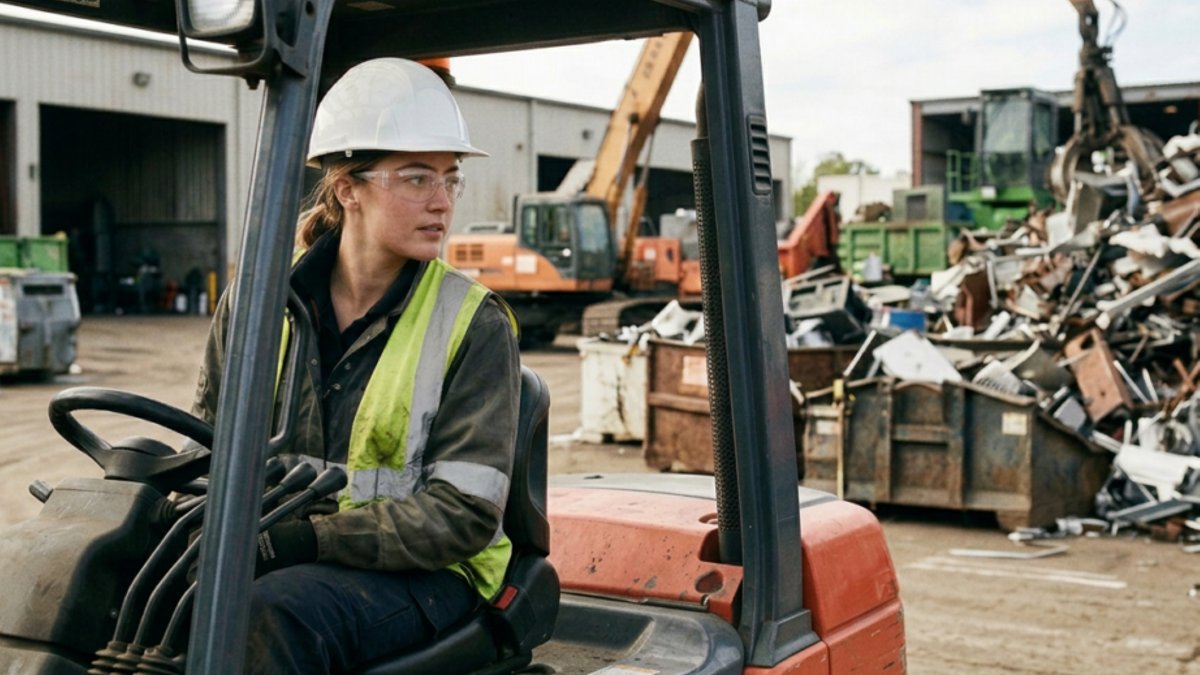
The only apprenticeship tailored for metal recyclers in England faces cancellation unless more businesses enroll, industry officials warned this week.
The Metal Recycling General Operative (MRGO) apprenticeship trains workers to handle materials safely, use equipment like forklifts and shears, and follow environmental rules. It is the only recycling-specific apprenticeship, yet Skills England may end it because fewer than 25 apprentices have joined.
Industry calls for last-minute support
The British Metals Recycling Association (BMRA) is asking companies to act quickly before the program closes. Antonia Grey, the association’s apprenticeship lead, stated that the MRGO is available to all metal recycling businesses, regardless of membership. She described it as an affordable option for developing skilled employees who can operate independently in a recycling yard.
Related: South Korea Invests in Smart Recycling Systems
Five specialized pathways make up the apprenticeship, covering tasks from site administration to equipment use. Safety training is included at every stage, helping workers process materials without accidents.
Small and medium-sized businesses face minimal costs. Those with payrolls under £3 million do not pay the apprenticeship levy and cover only 5% of training expenses, with the government funding the rest. Apprentices must earn at least the National Minimum Wage for their age, currently £8 per hour for workers 19 or older in their first year.
The effort arrives as apprenticeships draw political focus. The new Prime Minister, Andy Burnham, has promoted greater use of apprenticeships as an important policy for his government.
Related: AI improves safety at recycling plant
What’s at stake
Metal recycling carries high risks, where errors can cause serious harm. The MRGO was developed to create consistent training, cutting mistakes and boosting efficiency. Without it, businesses might depend on informal learning, which differs in quality and safety.
If the program ends, companies will need to train workers from the start or hire experienced staff from rivals. Both options create problems for an industry already short on labor. The BMRA warns that losing the MRGO would slow efforts to professionalize the sector and could make it harder to meet rising demand for recycled metals.
Grey stressed that the program’s future depends on quick action. “We are asking metal recyclers to act now and help secure the future of the metals recycling industry’s only dedicated apprenticeship programme,” she said.

South Korea Invests in Smart Recycling Systems


