


AI improves safety at recycling plant
AI boosts battery fire safety at TriPlast’s new recycling plant, where a €65 million facility in Enns, Upper Austria, will soon rely on an AI‑driven X‑ray system to detect hidden lithium‑ion cells before they ignite.
New technology arrives at the Enns sorting line
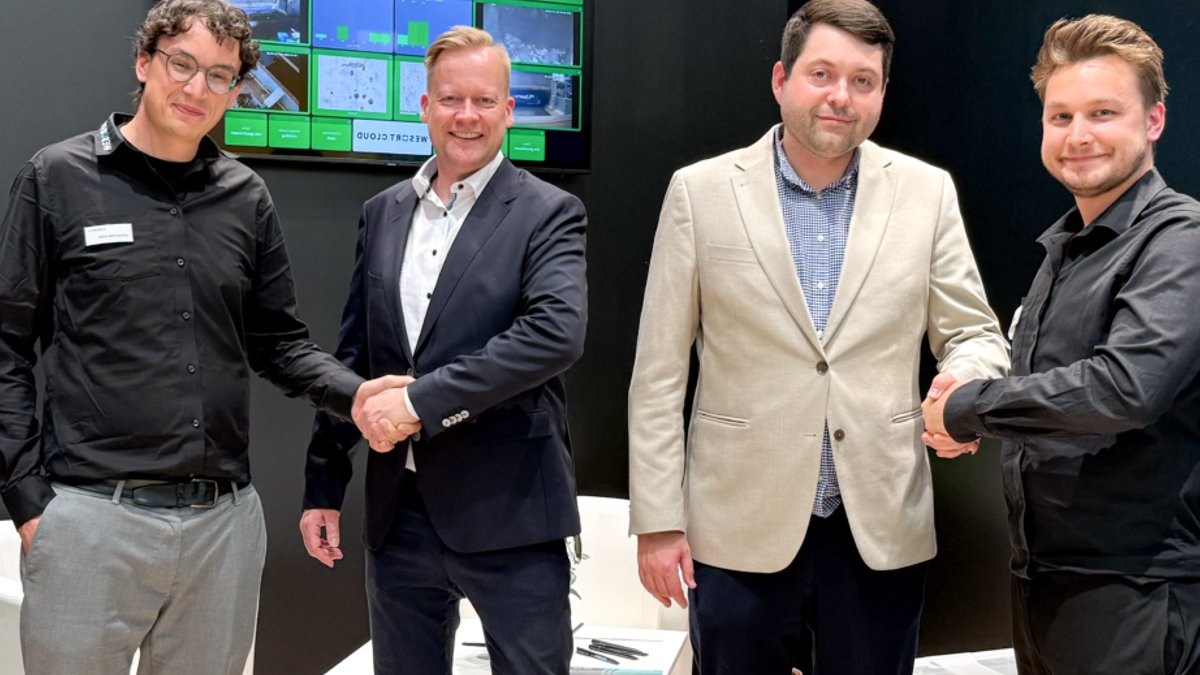
At the IFAT trade show in Munich, representatives from TriPlast and WeSort.AI sealed a partnership that will see the X.Sort system installed behind the plant’s input module. The system uses X‑ray transmission coupled with artificial intelligence to scan each batch of lightweight packaging as soon as containers are opened.
“We intercept the risk before it becomes a hazard further down the line,” said Daniel Hayn, head of marketing and sales at WeSort.AI. The system then blasts any detected batteries or e‑waste out of the flow with compressed air, keeping them from reaching the main sorting equipment.
TriPlast, a joint venture among Altstoff Recycling Austria, Bernegger and Der Grüne Punkt, expects the addition to protect its substantial investment and, more importantly, its on‑site staff. The plant processes roughly 100 000 tonnes of lightweight packaging from Germany and Austria each year, separating the material into high‑purity fractions.
How the AI model improves operational safety
WeSort.AI reports that the X.Sort removes an average of 12.5 kg of hazardous contaminants per hour. A second AI model also identifies high‑density objects that could damage machinery, adding another layer of protection.
According to the technology provider, battery fires have become the recycling industry’s worst‑case scenario, often triggered by improperly discarded lithium‑ion cells. By catching these items early, the Enns facility aims to avoid shutdowns that would ripple through downstream recyclers.
“As operators of one of the most modern facilities in Europe, we bear an enormous responsibility towards our employees and for ensuring the supply of secondary raw materials to the economy,” said TriPlast managing director Jürgen Secklehner. “WeSort.AI’s technology has thoroughly impressed us in live operation. The X.Sort helps to effectively address rising battery risks and maintain sorting quality at a high level.”
The practical impact will be felt by workers who previously faced the uncertainty of hidden batteries in incoming waste. By automating detection and removal, the plant reduces the need for manual inspections, which can be time‑consuming and expose staff to hazardous materials. This shift not only improves safety but also streamlines the sorting process, allowing the facility to maintain its high throughput without interruption.
Broader implications for the recycling sector
TriPlast’s adoption of AI‑assisted X‑ray scanning reflects a growing trend toward advanced safety measures in waste management. As more consumer electronics reach end‑of‑life, the likelihood of encountering lithium‑ion cells in mixed waste streams increases. Facilities that fail to adapt risk costly shutdowns and potential regulatory penalties.
Industry observers note that the technology could become a benchmark for other large‑scale recyclers, especially those handling similar volumes of packaging waste. The ability to pre‑emptively remove dangerous contaminants aligns with broader European goals of improving circular economy practices while safeguarding worker health.
While the initial rollout focuses on the Enns plant, WeSort.AI is already exploring deployments at other sites across the continent. The company’s roadmap includes scaling the AI models to handle different waste streams, which may eventually cover automotive batteries and larger e‑waste items.

Scientists develop method to separate multi-layer plastics


