


Old pickleballs find new purpose in UK
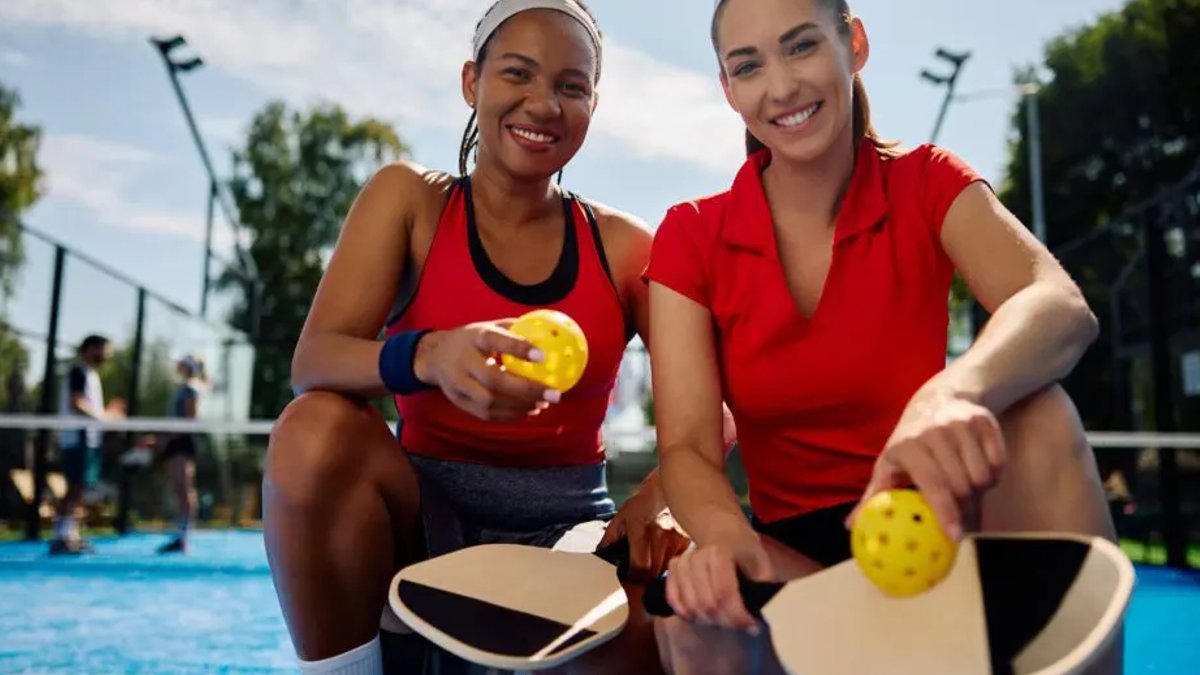
Two UK companies have launched a recycling initiative to give used pickleballs a second life, addressing the growing plastic waste generated by the sport’s rapid expansion. The collaboration between Crack’d and Brothers Make targets a specific environmental challenge: the accumulation of non-biodegradable equipment in landfills and natural spaces. As pickleball courts multiply across parks, leisure centres, and private facilities, the volume of discarded balls—often split, cracked, or lost during play—has become an increasingly visible problem. Unlike tennis balls, which are frequently reused in training or donated to animal shelters, pickleballs lack established repurposing channels, leaving many to be discarded after minimal use.
The project, led by sustainable sports start-up Crack’d and Dorset-based plastics manufacturer Brothers Make, aims to recycle millions of discarded pickleballs. The sport has surged in popularity, with an estimated 50 million players worldwide, creating a rising tide of plastic waste. This growth has been particularly pronounced in the UK, where participation rates have doubled in some regions over the past three years. The initiative seeks to intercept this waste stream before it reaches incineration or landfill, where the plastic could persist for centuries.
From broken balls to new products
Crack’d, founded by former international tennis player and sustainable design graduate Millie Smythe, collects used pickleballs from clubs, leagues, and individual players across the UK. Brothers Make then processes the material using mechanical recycling techniques. The balls are shredded into flakes before being melted and moulded into products such as keyrings, coasters, clips and trophies. Each new item is designed to remain recyclable at the end of its useful life. According to the partners, the scheme has already diverted more than 100kg of plastic from the waste stream. The balls are hollow and weigh about 22grams each. This means around 4,500 balls have been recycled.
Related: AI improves safety at recycling plant
Smythe, who launched Crack’d in 2025 after noticing discarded balls at competitions and training sessions, sees the initiative as proof that damaged sports equipment can retain value through proper recycling. “Pickleball is growing incredibly quickly, which is fantastic for the sport,” she said. “However, it also means more equipment reaches the end of its life.” Her background in sustainable design informs the project’s emphasis on closed-loop systems, where materials are continuously repurposed rather than downcycled into lower-quality products. The initiative also serves as a case study for other sports facing similar waste challenges, demonstrating how niche recycling streams can be developed with relatively low infrastructure investment.
Durable plastic lends itself to recycling
Brothers Make specialises in manufacturing products from recycled plastics. Co-founder Matt Browning said pickleballs are well-suited to mechanical recycling because they’re made from a durable engineering plastic. “Circularity has been considered from the start,” he said. “The balls become new products, and those products can be recycled again in the future.” The recycled material is 100% clean plastic, free from any contaminants. The partners are now expanding their UK collection network and encouraging more clubs to participate.
The UK initiative remains one of the few dedicated to recycling pickleballs. The companies hope to scale the project as the sport’s popularity continues to climb. Future phases may include partnerships with manufacturers to design balls with recycling in mind. For now, the focus is on building awareness among players, many of whom are unaware that their used equipment can be transformed into new products rather than discarded. The project’s success could serve as a template for other sports, proving that even small-scale recycling efforts can have a measurable impact when tailored to specific waste streams.

AI improves safety at recycling plant


