


Autonomous Vehicles Challenge Insurance Industry
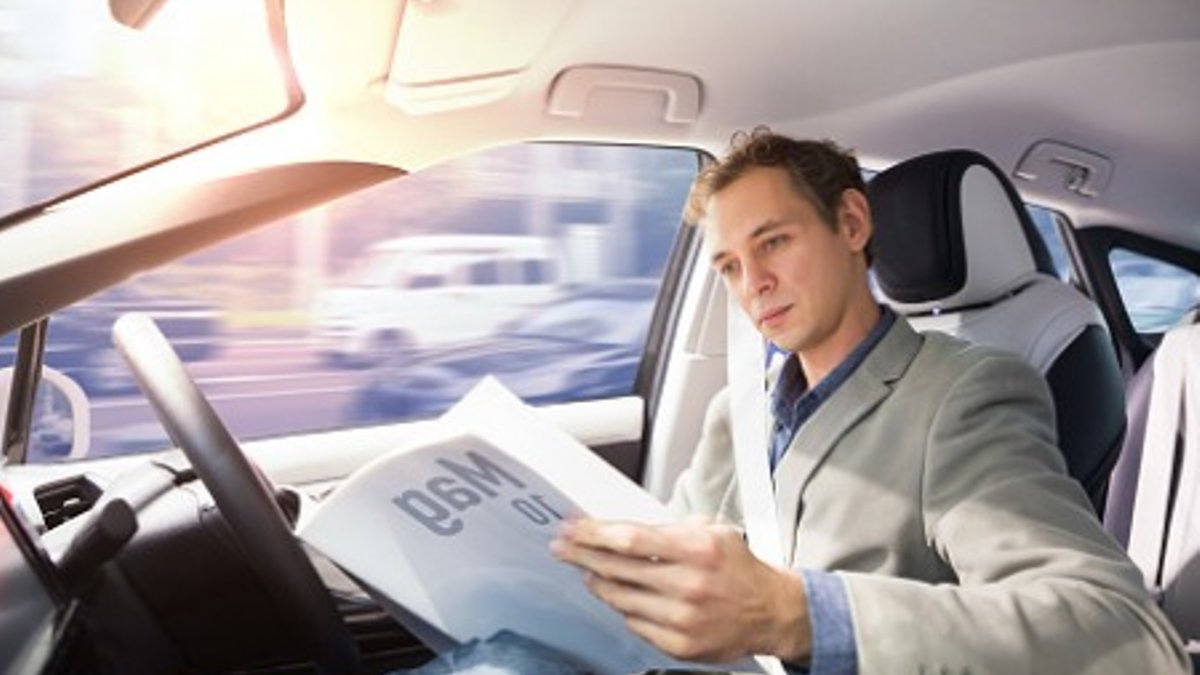
Marketing terms like “autonomous” and “self-driving” are misleading drivers, creating a false sense of security about vehicle capabilities, according to a recent analysis of the transport sector. The disconnect between consumer perception and reality is widening as manufacturers push boundaries, leaving a gap between what technology can currently do and what society is willing to accept on public roads.
Recent Incidents Highlight Gaps in Safety
A spate of accidents involving autonomous vehicles has drawn attention to the risks. An Uber vehicle struck and killed a pedestrian in Arizona earlier this year, while a Tesla driver died when the car’s autopilot function was engaged. These events have forced companies to pause operations, such as the shutdown of Uber’s self-driving fleet following the fatal collision.
It is unlikely these stops will halt the broader push for driverless technology. Competition between manufacturers and nations to be first in the race has accelerated development, meaning any pause is temporary rather than a complete cessation of efforts.
System-driven reversion of control back to human drivers is likely to continue as a safety measure following recent high-profile failures. This keeps a “human” component in the journey that requires insurance, supporting the continued use of standard private motor insurance policies for the foreseeable future.
The Legal Framework is Evolving
Legislation is struggling to keep pace with the hardware. The United Kingdom’s House of Commons introduced the Automated and Electric Vehicle Bill in 2017 to extend compulsory motor insurance to include autonomous modes. This maintains a single insurer model where liability is covered regardless of whether the vehicle is driven by a human or operates fully on its own.
Future liability chains could become more complex. If an incident occurs in autonomous mode, the insurer might seek recovery from the vehicle manufacturer, who could in turn sue the software provider if the code was the root cause of the crash. Insurance providers must prepare for this shift in liability trends.
Historically, the insurance sector has adapted to shifts in technology, such as the move from horse-drawn carriages to early automobiles. The industry is currently facing a similar pivot where premiums will likely shift from driver risk profiles to vehicle specifications. This means the cost of coverage may eventually depend less on the person behind the wheel and more on the specific model, software version, and safety features installed in the car.
The insurance market will need to overhaul how it establishes liability and sets rates. The shift from driver-based pricing to vehicle-based pricing will require new data models and assessment techniques. As society grapples with integrating these complex machines into daily life, the insurance sector must prepare for a structural transformation in how risk is calculated and managed.

Shipbrokers face growing insurance blind spot


