


Shipbrokers face growing insurance blind spot
The global shipping industry depends on seafarers to transport 90% of its trade, but most lose employer-provided medical and accident insurance as soon as they disembark. This long-standing issue is gaining attention as a worsening officer shortage pushes shipowners to improve working conditions to attract and keep crew members.
Insurers step in where employers won’t
Global insurance intermediary Howden introduced SAFER at Home (Seafarers and Families Enhanced Resilience), a policy developed with UK-based Crewsure and supporting the Mission to Seafarers. It provides hospitalization coverage for seafarers and their families during off-contract periods when they lack payroll protection. The product targets a workforce that, under the Maritime Labour Convention, typically loses protection and indemnity (P&I) cover after returning home.
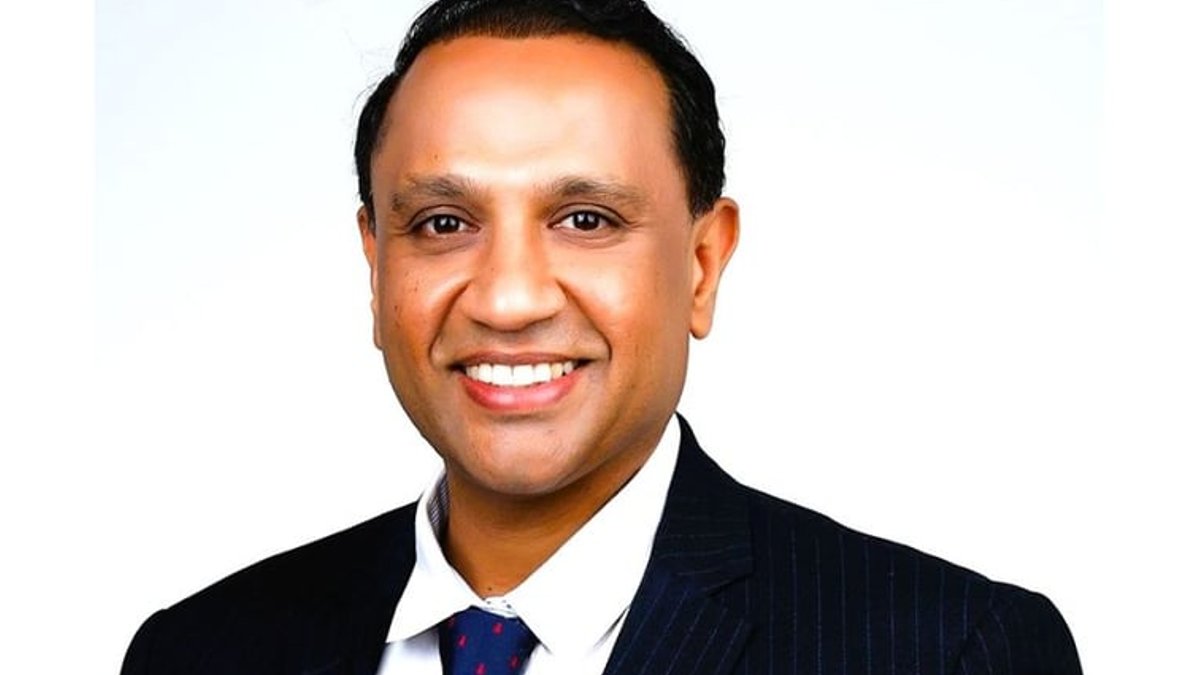
Captain Hari Subramaniam, Howden’s chief growth officer for marine, worked at sea for 17 years before transitioning ashore. He described the policy as addressing an overlooked need. “It’s specialized coverage for a distinct group,” he said. “The industry has tolerated this gap for years.”
The policy remains optional, marketed as a retention tool rather than a regulatory requirement. Subramaniam noted that shipowners respond better when brokers present it as a business decision linked to existing frameworks like the Tanker Management Self-Assessment (TMSA) and Dry Bulk Management System. These systems include crew welfare in vessel ratings, which charterers use to select ships.
Financial stress as a safety risk
The insurance gap affects more than just well-being—it poses safety risks. Industry data connects onboard incidents to distraction rather than insufficient training, and experts now study how financial and family pressures contribute. Many seafarers support their families alone, and the strain of unpaid medical bills or emergencies can follow them back to work.
Related: Brokers urged to rethink tech purchase priorities
Subramaniam recalled a flight to Mumbai where his wife sat near two seafarers ending contracts. One was on routine rotation; the other traveled on unpaid leave because his wife needed medical tests. Without personal insurance, he paid for the trip himself, anxious about the diagnosis, costs, and potential job loss if he didn’t return promptly. The conversation made Subramaniam’s work resonate with his wife.
Other insurers are also addressing these challenges. Marine mutual NorthStandard teamed with Sailors’ Society on Sea Mate, an online mental health program training seafarers as wellbeing officers. Norway’s Marine Benefits has tracked how family illness, financial stress, and workplace culture impact seafarer health through its Re:fresh study for a decade.
These initiatives show the industry now views crew welfare as a factor in retention and performance. The next step is whether insurers will expand beyond training and research to offer policies covering gaps between contracts. Brokers face the task of promoting the concept without overpromising. Subramaniam explained, “A simple, practical solution works best—they have businesses to run.”
Howden’s strategy treats the policy as an affordable addition, positioning insurance as a retention tool while supporting port communities—a model that could finally address a decades-old oversight.

Insurers ranked as best employers revealed


