


Drewry says port congestion not due to underinvestment
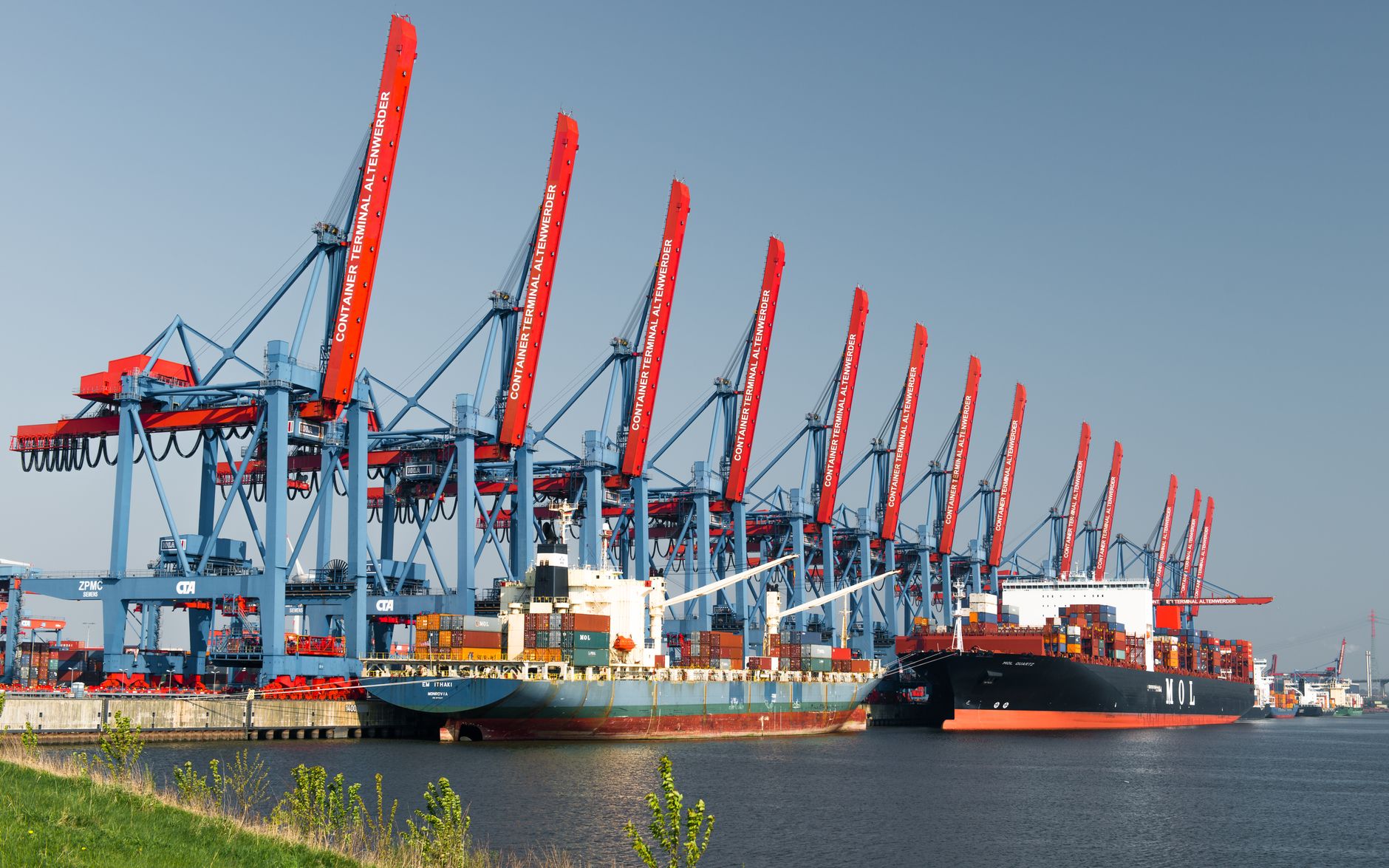
Port congestion has become a flashpoint in the container shipping debate, with Drewry shipping consultants pushing back against Maersk’s claim that a lack of terminal investment is the root cause.
Maersk blames under‑investment for bottlenecks
Maersk chief executive Vincent Clerc said the surge in Asian exports and widening trade imbalances have exposed a shortfall in terminal capacity that dates back to the post‑2008 financial crisis. He suggested that about 15 years of lagging investment left ports ill‑prepared for today’s volume spikes.
Consultants point to a mix of weather and operational strain
Drewry’s latest Market Signals risk summary paints a broader picture. “The risk of port congestion and associated delays is affecting all shipping lines and shippers.”
In week 32 (early August), typhoons in China resulted in ships waiting on average 3.6 days for a berth, the firm reported.
Weather challenges have intensified, with the El Niño phenomenon described as “one of the most intense on record.” Tropical storm Saudel is also expected to bring high winds to ports from Ningbo to Fuzhou, and Shanghai sits on the storm’s outer edge.
Related: Strait of Hormuz Tanker Hit Again
Beyond storms, Drewry notes tariff disputes, geopolitical tensions and occasional port strikes have compounded the congestion picture since the pandemic.
Higher vessel sizes amplify volume peaks, leaving terminal operators with little slack. A terminal operating at 90 % utilization needs roughly a week to recover from a single‑day disruption, while a facility at 75 % can bounce back in about two days.
The difference between those two operating points, in normal years, could be the difference between a competitive and an uncompetitive return on capital, Drewry said.
Regional delay data highlight the spread of the issue. West Africa’s average wait rose from 50 hours in 2025 to more than 70 hours, the longest among surveyed zones. South Asia is edging toward 60 hours, up from roughly 35 hours in 2023. In China, average delays climbed from under 30 hours to the current global average of about 35 hours.
The Intra‑Asia freight index jumped from just under $1,000 per feu at the start of the month to $1,200 per feu, reflecting higher spot rates out of Shanghai to Singapore and India.
Spot rates have begun to ease as demand in Europe and the United States softens. Their World Container Index fell 1 % overall, with European spot rates slipping 3 %. Rates from Shanghai to New York dropped 2 %, while those to Los Angeles held steady.
Related: Recyclers told to use apprenticeships or lose them
Weather volatility adds uncertainty.
For shippers, the blend of weather volatility and tight terminal utilization means less predictability in delivery windows. When a port runs near full capacity, even a minor delay can ripple through supply chains, forcing carriers to adjust schedules or add costly detours.
The reality is that businesses must now factor in a higher risk premium for timing, not just freight costs.
“The difference between those two operating points, in normal years, could be the difference between a competitive and an uncompetitive return on capital,” the firm said.
Despite the challenges, they note that many shipping lines have raised full‑year income forecasts thanks to capacity cancellations, blanked sailings and the occasional congestion‑related surcharge. The outlook suggests that while the immediate pressure may ease, the underlying constraints on terminal capacity and weather exposure will keep the sector on edge.

Strait of Hormuz Tanker Hit Again


