


Europe’s patchwork fuel subsidies ease soaring prices
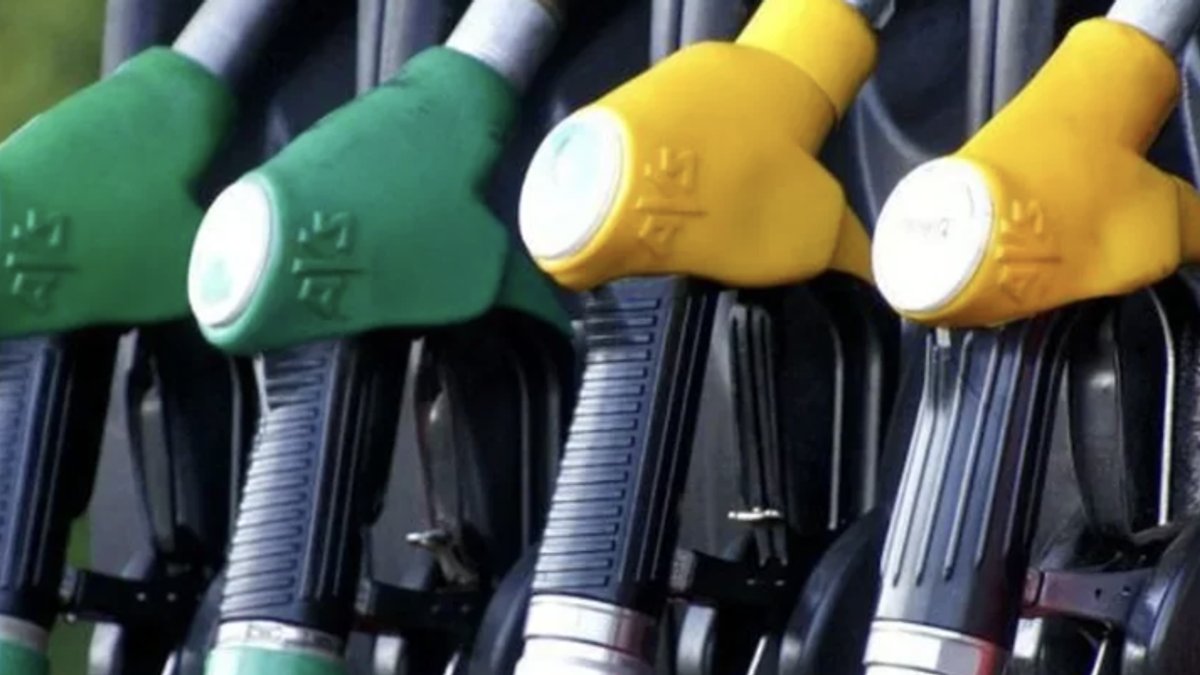
European governments are reintroducing fuel-price supports as diesel and petrol costs climb to near-record levels, driven by a surge in crude oil prices tied to Middle East conflict disruptions. The measures vary widely—from targeted subsidies to tax cuts—reflecting each country’s fiscal capacity and political priorities.
France Targets Key Sectors to Avoid Broad Tax Cuts
France is extending fuel subsidies for hard-hit industries rather than lowering taxes across the board. Prime Minister Sébastien Lecornu announced support for commercial fishermen, construction firms, and farmers through December 31, after protests over soaring diesel costs threatened operations.
Commercial fishermen now receive 35 cents per litre in aid, up from 25 cents, following blockades at southern ports. Construction companies with fewer than 50 employees will get 20 cents per litre for non-road diesel, while farmers continue to receive 15 cents per litre. Diesel prices in France hit €2.37 per litre on September 17, nearing the 2022 record of €2.38.
Unlike broader tax cuts, France’s approach limits fiscal strain while shielding vulnerable sectors. The strategy mirrors past responses to energy shocks, where direct aid was preferred over universal relief to avoid distorting market signals.
Spain, Hungary, and Poland Use Different Tools
Spain has reactivated a 20-cent-per-litre diesel discount through September, focusing on diesel since its price rose 15% over the past year, faster than gasoline. Hungary plans to offer €55 per eligible vehicle to diesel-car owners through December, alongside tax reimbursements for farmers.
Poland has cut the value-added tax on hydrocarbons from 23% to 8% twice this year and proposed a 60% windfall tax on oil-company profits. The measure faces opposition from President Karol Nawrocki, who has questioned its economic impact. Italy, meanwhile, abolished the annual road tax for 14.5 million vehicles with engines up to 80 kilowatts, costing over €2 billion and set to become permanent.
Italy’s phased diesel discount, 12.2 cents per litre from September 18–25, then 6.1 cents through October 5, adds to its 15 anti-inflation packages since March, totaling over €2.3 billion in fuel-related spending. The measures reflect a broader trend: governments prioritizing short-term relief over long-term fiscal discipline.
Germany Weighs Price Caps and Windfall Taxes
Germany has yet to finalize its response, but Chancellor Friedrich Merz has acknowledged the rising cost burden. The centre-left Social Democrats push for a fuel-price cap, modeled after systems in Belgium and Luxembourg, alongside a windfall tax on oil profits. Economy Minister Katherina Reiche opposes price controls, favoring direct payments to affected households instead.
The debate highlights Europe’s dilemma: relief measures ease hardship but risk worsening budget deficits and reducing incentives for energy conservation.
EU Faces Trade-Offs Between Relief and Fiscal Discipline
Oil supply concerns persist due to Middle East conflict disruptions, including attacks on Saudi Arabia’s East-West pipeline, a key alternative to the Strait of Hormuz. Europe’s heavy reliance on imported oil and refined products leaves it particularly exposed to sustained price spikes.


