


COSCO SPENDS $3BN ON NEW SHIPS
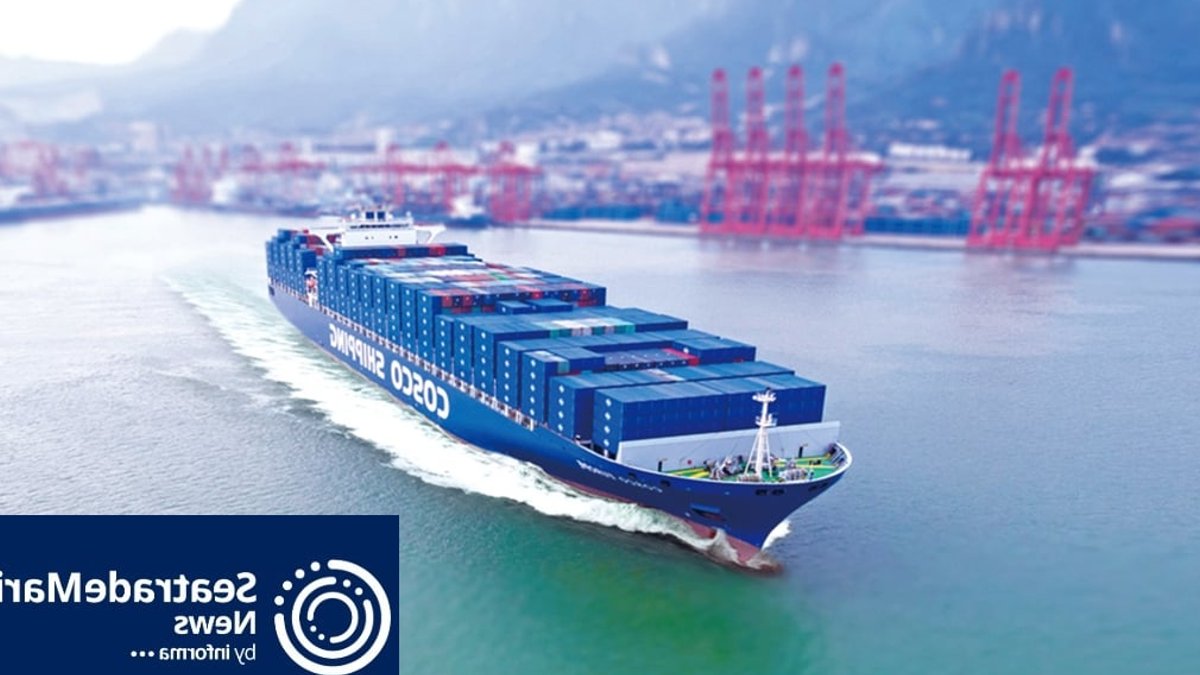
Cosco Shipping is spending $3 billion on new container ships, ordering a mix of ultra‑large and midsize carriers from Chinese yards.
New orders boost the fleet’s size
The group signed contracts for twelve ultra‑large LNG dual‑fuel vessels and six wide‑body ships, a deal worth about RMB 20.27 billion ($2.99 billion). Those units lift the owned orderbook from 82 to 100 vessels.
Year‑to‑date, Cosco has inked agreements for 48 new ships, valued at roughly RMB 54.27 billion. The added capacity totals around 676,800 TEU, expanding the new‑build pipeline.
When the latest batch is accounted for, total capacity under construction climbs from about 1.18 million TEU to 1.46 million TEU. That jump reflects the strategic push for larger, more efficient cargo carriers.
At the end of July 2026, the company managed a self‑run fleet of 606 vessels with roughly 3.66 million TEU of space. Including ships on order and leased units under construction, overall capacity tops 5.3 million TEU.
Delivery timeline and shipyard partners
The twelve ultra‑large LNG dual‑fuel ships were commissioned from Shanghai Waigaoqiao Shipbuilding. Deliveries are slated to roll out sequentially between 2028 and 2030.
Related: Gulf Seafarers Stranded Six Months On
The six wide‑body vessels were ordered from CSSC Huangpu Wenchong Shipbuilding, with hand‑overs expected in 2028 and 2029.
These schedules mean a steady stream of new capacity will arrive over the next few years, smoothing out the integration of advanced propulsion technology.
In practice, the dual‑fuel ships will run on both liquefied natural gas and conventional fuel, a configuration that aligns with tightening emissions standards across major trade routes.
Capacity outlook for Cosco
Adding the upcoming vessels brings the owned orderbook to 100, a milestone that highlights the firm’s ambition to dominate the Asia‑Europe corridor.
With the new builds, total capacity—existing ships plus those on order—exceeds that amount, enough to handle a sizable share of global container traffic.
Analysts note that the shift toward larger, LNG‑capable units may improve fuel efficiency per container, though the upfront cost remains high.
Related: Frontline posts record profit as tanker demand wanes
The timing of the large order precedes the full roll‑out of global emission regulations, potentially securing favorable pricing.
Modern fleets boost reliability.
From a broader perspective, the expansion reflects a trend where major carriers invest heavily in newer, greener vessels to stay competitive. As trade volumes recover, a modern fleet can translate into better service reliability and lower operating costs.
Meanwhile, the shipyard contracts also support domestic industrial capacity, keeping work at Chinese yards busy through the late 2020s.
Overall, the fleet’s growth trajectory appears set to outpace many regional rivals, positioning the company for a stronger market share once the new ships join service.

Gulf Seafarers Stranded Six Months On


