


Dubai halts metal scrap exports for four months
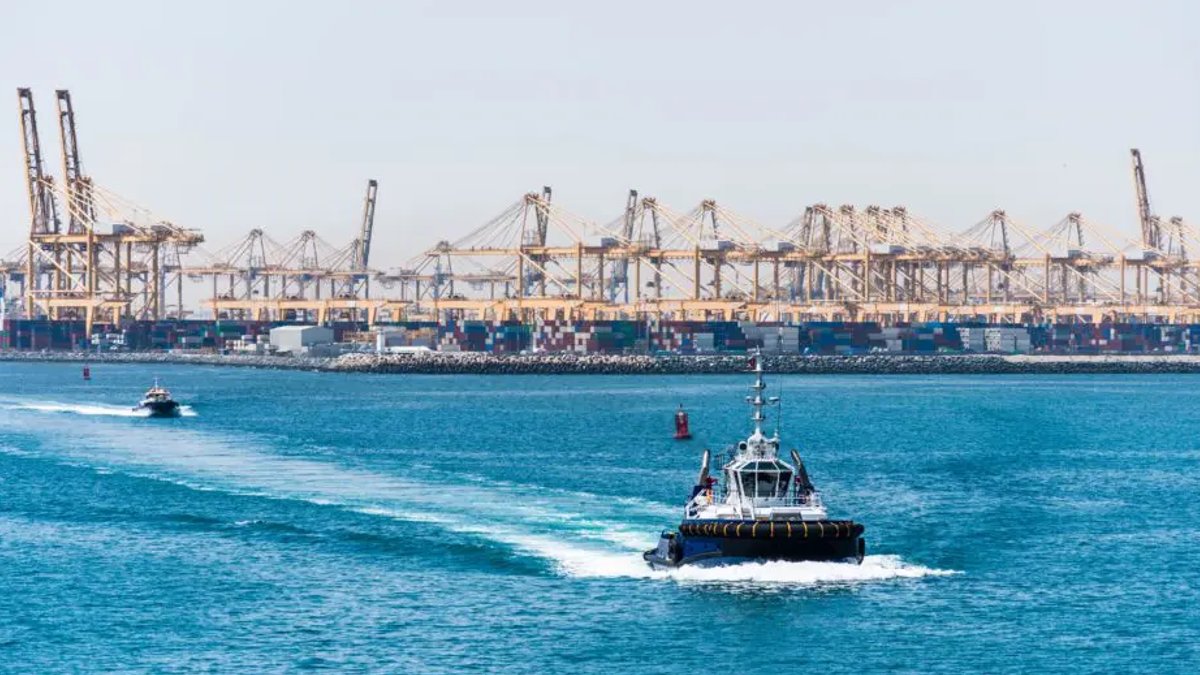
Dubai has imposed a four-month ban on exporting selected metal scrap and industrial waste to secure raw materials for local processing as demand from domestic smelters increases.
The restriction, announced by Dubai Customs, covers specific categories of iron, copper, and aluminum scrap. It began on June 10 and will remain in place until October 8 unless authorities lift it earlier. The ban renews automatically if no further action is taken.
Scrap traders say timing hurts recovery
Industry groups warn the measure could disrupt a fragile rebound in regional trade. Mir Mujtaba, president of the Bureau of Middle East Recycling, stated the decision arrives just as shipping through the Strait of Hormuz stabilizes and export volumes show signs of recovery.
“This appears to be a response to pressure from local smelters trying to keep materials for themselves,” Mujtaba said. “It harms recyclers and traders who were finally seeing progress.”
The restriction applies to waste and scrap materials under specific Harmonized System codes. Iron scrap falls under six codes, including 72041000 and 72042100. Copper is classified under 74040000, and aluminum under 76020000. A complete list appears in the official notice from Dubai authorities.
Exemptions possible, but process unclear
The notice includes exemptions for certain cases. Shipments prepared for export under valid international contracts signed before the ban may qualify, along with those deemed in the public interest. Companies must apply to the Ministry of Foreign Trade for approval, though details remain scarce.
Related: How to Propose with the Perfect Diamond Ring
Officials have not revealed how many exemption requests they have received or approved. The ministry’s trade platform offers additional guidance, but industry sources describe the criteria as vague and the review timeline as unpredictable.
Dubai Customs stated that violations will be penalized under the Unified Customs Law. No specific fines have been announced, but past cases indicate penalties could include confiscation of goods or suspension of export licenses.
The move aligns with a broader trend in the Gulf, where governments are prioritizing domestic processing over raw material exports. Saudi Arabia and the UAE have introduced similar measures in recent years, though none have matched Dubai’s four-month duration.
Traders are now waiting for clarity. Some have turned to alternative markets in Asia, while others are holding inventory in hopes the ban will be lifted early. Most expect the policy to remain in place unless local smelters secure enough supply to reduce pressure on regulators.
Margins were already tight for recyclers. The ban has made them even harder to sustain.
Dubai’s approach mirrors efforts in other regions where cities seek to extract value from discarded materials. A US partner helps recover urban resources, demonstrating how municipalities can turn waste into opportunity.

US partner helps Itochu mine urban resources


