


Gunmachan Mascot Hits Record Sales and Expands Globally
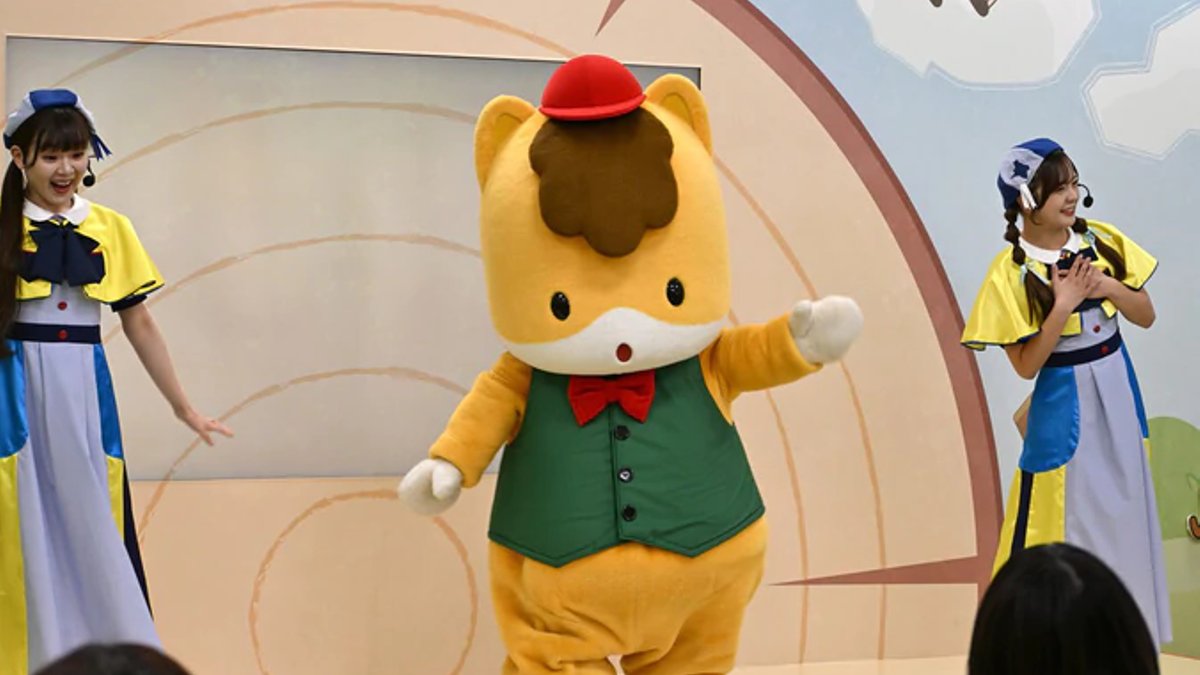
Gunmachan, the mascot of Gunma Prefecture in eastern Japan, is broadening its presence both domestically and overseas. Sales of merchandise linked to the character, including dolls and processed foods, hit a record 66 billion yen last year, marking the highest annual total ever recorded for a local-government mascot in the region.
The figure is the first local-government mascot to win the national yuru-kyara grand prix and it now serves as the prefecture’s official advertising director, a role that includes appearing in promotional videos and print campaigns.
Officials have outlined a plan to more than double related product sales within two years, aiming to promote Gunma’s attractions and expand market reach. The target aligns with a broader strategy to raise the mascot’s commercial profile, supporting the region’s economic development goals.
The current design was created by former prefectural employee Fumiko Nakajima, 60, who recalled that some observers confused the small mouth for a nose. She said the neutral expression was meant to appear “always approachable and empathetic,” a quality she believed would resonate with both children and adults.
Nakajima’s design won a public contest for a 1994 sports event for people with intellectual disabilities. Initially called “Yumachan,” it was renamed Gunmachan in 2008. She lectured on “What Is Gunmachan?” in Maebashi on Nov. 14 to about 100 people, describing the character’s origins and design philosophy.
Gunmachan topped the yuru-kyara rankings among roughly 1,700 mascots in 2014 and now appears at events nationwide and at international festivals. A prefecture-produced anime series began airing on U.S. television in October, further extending its visibility.
Merchandise revenue has more than doubled over the past six years, yet it remains well below the 150 billion yen recorded by Kumamoto’s mascot Kumamon in 2025. Governor Ichita Yamamoto has set a goal of reaching the same level by fiscal 2028 or later, emphasizing long-term growth ambitions.
Officials from both prefectures stress that the two mascots are partners rather than competitors, noting they often share event stages. “The two are friends,” they said, emphasizing a collaborative approach to regional promotion.


