


Vietnam’s shrimp exporters face tougher global competition
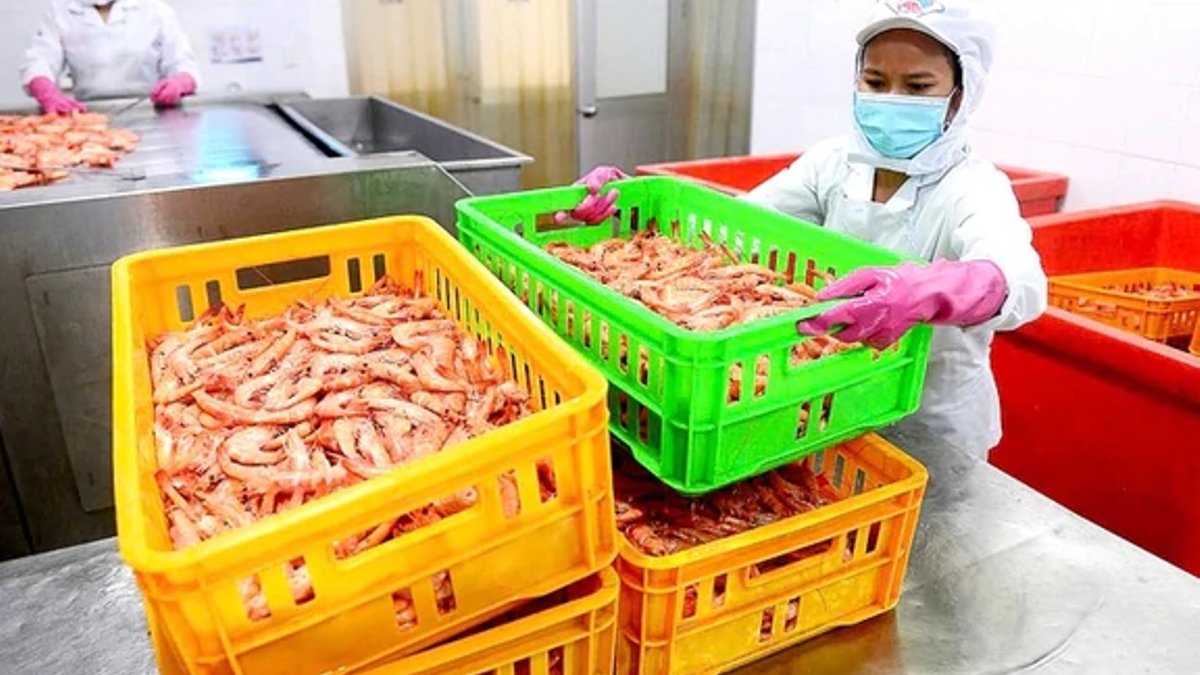
Vietnam’s shrimp exports reached $4.2 billion in the first ten months of 2026, marking a nearly 9% increase from the same period last year. However, the industry now confronts mounting obstacles in 2027 as global competition intensifies and trade restrictions grow stricter.
Le Hang, deputy secretary-general of the Vietnam Association of Seafood Exporters and Producers (VASEP), identified five critical trends shaping the 2027 outlook. First, global shrimp production will remain abundant, with Ecuador and India continuing to lead output. This surplus will suppress prices, putting pressure on higher-cost producers like Vietnam, especially in the frozen whiteleg shrimp category. In some markets, supply could even outstrip consumption, worsening the price squeeze.
Second, buyer preferences will vary significantly by region. Japan prioritizes processed convenience foods, the EU shows inconsistent demand across its member states, and South Korea’s market remains steady.
Third, trade policies will alter competitive conditions. U.S. tariff policies, anti-dumping and countervailing duty cases, and differences in preferential tariff treatment among exporting countries will make post-tariff price competitiveness increasingly important.
Shifting toward higher-value products presents the most viable solution. In the U.S., demand is rising for cooked, breaded, and private-label shrimp. Japan’s market rewards locally adapted processed shrimp, while free trade agreements could expand access to Australia, the UK, and Canada. VASEP forecasts Vietnam‘s shrimp exports could fall by 2.2 percent to around $4.4 billion in 2027, citing difficulties in the U.S. market and a sluggish recovery in the EU, where inventories remain high.
Sustainability and traceability will also play a decisive role. Hang stressed that operational efficiency from farming to export is essential. The industry must cut costs, meet stricter quality standards, and adapt to climate-related disruptions, such as potential disruptions to shrimp farming caused by El Niño during the 2026-27 dry season. The government’s targets, 1.5 million metric tons of shrimp and $4.6–4.7 billion in revenue, depend on tighter controls over seed quality, disease prevention, and broodstock expansion.


